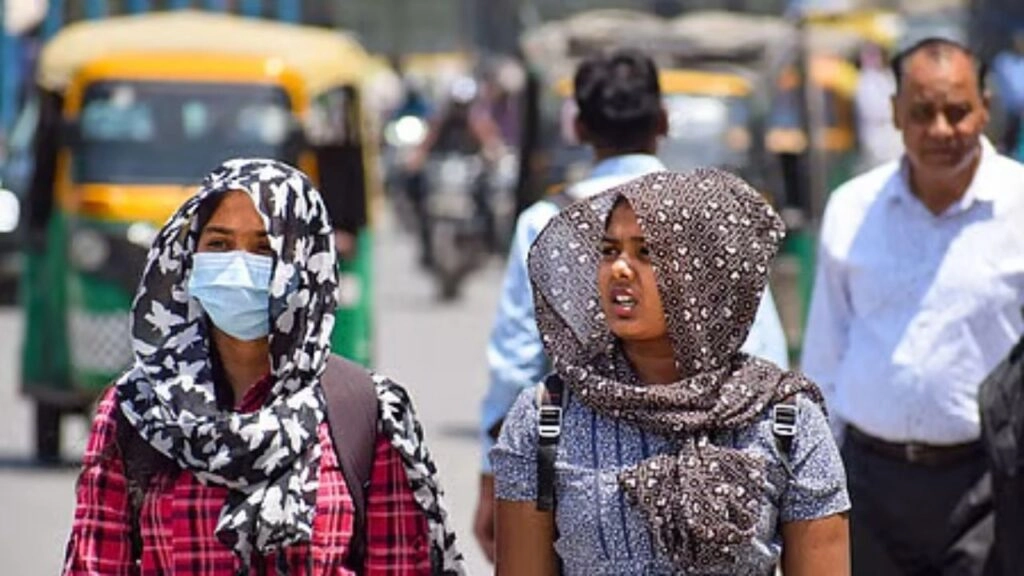
In a striking response to the extreme heatwave affecting the region, the city of Banda in India has taken the unprecedented step of switching off its traffic signals. Known as one of the hottest cities in the country, Banda has been grappling with soaring temperatures that have made daily life increasingly challenging for its residents. With temperatures consistently reaching alarming levels, local authorities have decided to prioritize the health and safety of citizens over the usual traffic management practices.
The decision to turn off traffic signals was made in light of the harsh conditions that have left many feeling overwhelmed. Without the guidance of traffic lights, drivers are urged to exercise caution and be more vigilant while navigating the streets. This unconventional approach aims to alleviate the pressure on both the traffic systems and the individuals who are managing them. It reflects a broader trend in which cities facing extreme weather conditions must adapt to ensure public safety.
Residents have expressed mixed feelings about the move. While some see it as a necessary measure to cope with the oppressive heat, others worry about the potential for increased accidents and chaos on the roads. The local government is aware of these concerns and has urged citizens to remain patient and cooperative during this challenging period. They are also emphasizing the importance of staying hydrated and limiting outdoor activities during the hottest parts of the day.
As the heatwave continues to affect Banda and other parts of India, this situation raises larger questions about climate change and its impact on urban life. Cities around the world are increasingly facing challenges related to extreme weather, and the responses to these challenges will shape the future of urban planning and public safety. Banda’s decision to turn off traffic signals is just one example of how communities are being forced to adapt in the face of a changing climate.