
The Gujarat Assembly has recently passed a significant bill advocating for the implementation of a Uniform Civil Code (UCC), which aims to establish equal legal standards for all citizens regardless of their religion or community. This legislative move is seen as a pivotal step towards ensuring gender equality and uniformity in personal laws, which have historically varied across different religious groups. The UCC seeks to replace the existing personal laws that govern marriage, divorce, inheritance, and adoption, which are often influenced by religious doctrines. By instituting a common legal framework, the bill intends to eliminate discrimination and provide equal rights to all individuals, particularly women, who have often been disadvantaged under traditional laws.
Supporters of the UCC argue that it is essential for fostering a sense of national integration and unity among India’s diverse population. They believe that a uniform set of laws will not only simplify legal processes but also promote social justice by protecting the rights of marginalized communities. The bill has garnered attention amid ongoing debates about secularism and the need for reforms in personal law. Advocates highlight that a UCC would empower individuals to make choices based on personal interests rather than being confined by religious constraints. This reform is viewed as a modernization effort that aligns with contemporary values of equality and justice.
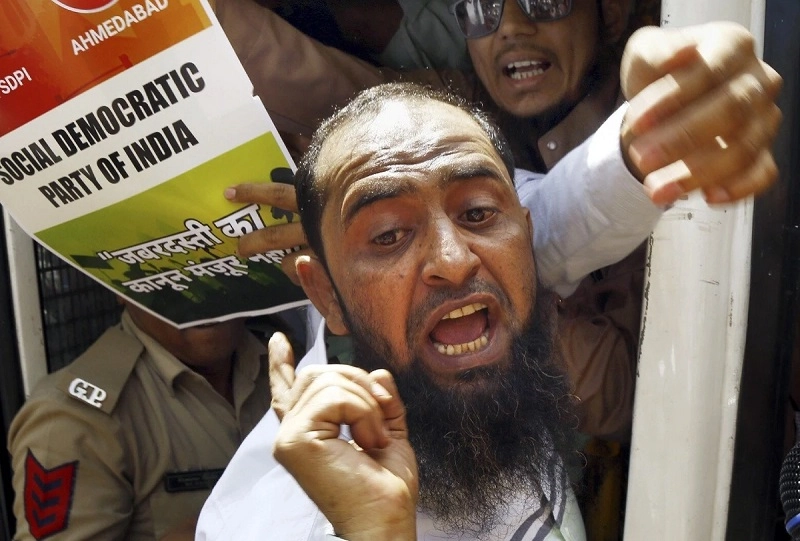
However, the passage of the UCC bill has not been without controversy. Critics argue that it may infringe upon religious freedoms and the right to practice one’s faith, as different communities have distinct customs and practices. There are concerns that the imposition of a uniform code could undermine the cultural diversity that characterizes Indian society. Moreover, some fear that the bill might not adequately address the specific needs and rights of various groups, particularly those with unique cultural or religious backgrounds. The discussion surrounding the UCC raises important questions about the balance between individual rights, religious freedoms, and the pursuit of equality in a pluralistic society.
As the UCC bill moves forward, its implications will be closely monitored by both supporters and opponents. The potential impact on family laws, social structures, and community dynamics will be significant as the government seeks to implement these reforms. The dialogue around the UCC reflects broader societal challenges in reconciling traditional practices with the demands of modernity. Ultimately, the success of the UCC will depend on its ability to address the diverse needs of India’s population while promoting the fundamental principles of equality and justice.


