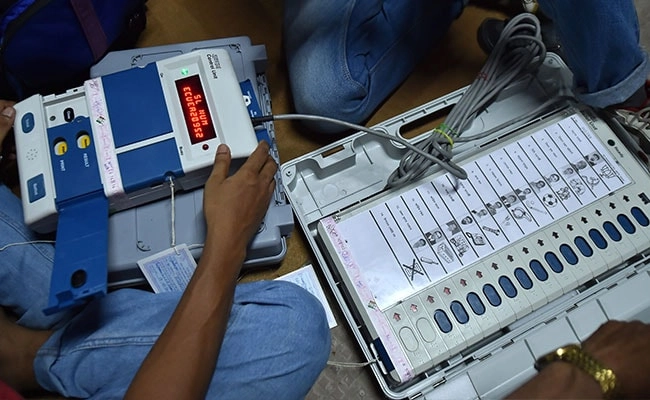
As the 2026 Assam Assembly elections draw closer, political analysts and party strategists are intensifying their preparations for the crucial event. The elections are expected to be a significant battleground, with various parties vying for control of the Assam Legislative Assembly. The results will not only determine the political landscape in Assam but also signal the direction of national politics, given the state’s strategic importance. Polling is expected to take place in early 2026, and the stakes are high for all major political parties, including the ruling Bharatiya Janata Party (BJP), the Indian National Congress (INC), and regional players like the Asom Gana Parishad (AGP) and the All India United Democratic Front (AIUDF).
Predictions for the upcoming elections are varied, with political experts analyzing factors such as the performance of the incumbent government, public sentiment regarding key issues like education, healthcare, and development, and the impact of national politics on local dynamics. The BJP, which has been in power since 2016, is keen on retaining its majority, while the opposition parties are strategizing to capitalize on any discontent among the electorate. Key candidates are emerging from all sides, with seasoned politicians and fresh faces alike preparing to contest for significant seats. The electoral battle will see a mix of seasoned leaders and new candidates, each bringing their own vision for the state’s future.
As the election date approaches, grassroots campaigns and rallies are expected to gain momentum, engaging voters directly and addressing their concerns. The role of social media and digital campaigning is also becoming increasingly important in reaching the younger electorate. Polling agencies and political analysts will be meticulously studying voter behavior and demographics to predict outcomes and understand the shifting political allegiances within the state. The 2026 Assam Assembly elections promise to be a defining moment, not just for the local political scene, but also for the broader implications it may have on national policies and party dynamics in India.