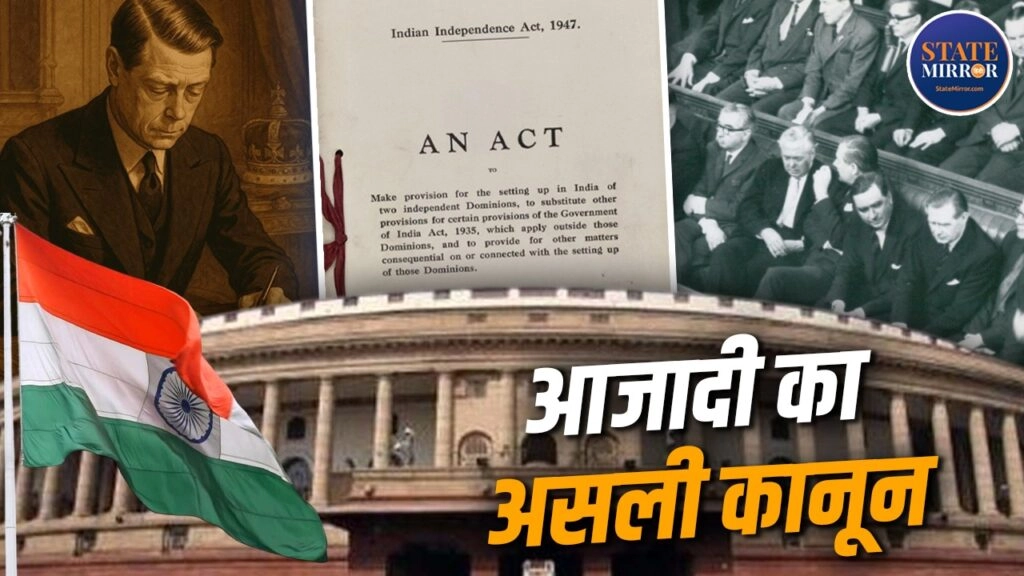
Seventy-nine years ago, on this day, a pivotal moment in history occurred when the British King approved the Indian Independence Act of 1947. This act marked the culmination of a long struggle for freedom, significantly altering the political landscape of South Asia. The Indian independence movement, which had been gaining momentum for decades, was driven by a diverse array of leaders, organizations, and the aspirations of millions of Indians who sought to end colonial rule. The British decision to grant independence was influenced by various factors, including the economic strains of World War II, the growing demand for self-governance, and the widespread unrest among Indian citizens.
The Indian Independence Act, passed by the British Parliament, provided for the partition of British India into two separate nations: India and Pakistan. This monumental decision was not without its challenges and consequences. The partition led to significant communal violence, mass migrations, and a humanitarian crisis, as millions of people were displaced along religious lines. The hurried nature of the division left deep scars on the subcontinent, with families torn apart and communities fractured. Despite these challenges, the act symbolized a hard-won victory for countless individuals who had fought tirelessly for their rights and freedoms.
As the date approached for the official transfer of power on August 15, 1947, the excitement and anxiety among the Indian populace were palpable. Leaders like Mahatma Gandhi, Jawaharlal Nehru, and Muhammad Ali Jinnah played crucial roles in navigating the complexities of this transition. Nehru’s famous “Tryst with Destiny” speech underscored the hopes and aspirations of a new nation emerging from the shadows of colonialism. The approval of the Indian Independence Act was not merely a legal formality; it represented the collective will of a nation yearning for self-determination and the promise of a brighter future.
Today, as we reflect on this historic event, we recognize the sacrifices made by countless individuals who contributed to the struggle for independence. The Indian Independence Act of 1947 serves as a reminder of the resilience and determination of the Indian people in their quest for freedom. It also encourages us to consider the ongoing journey towards equality and justice, as the lessons learned from this period continue to resonate in contemporary discussions about democracy, rights, and nationhood in India and beyond.