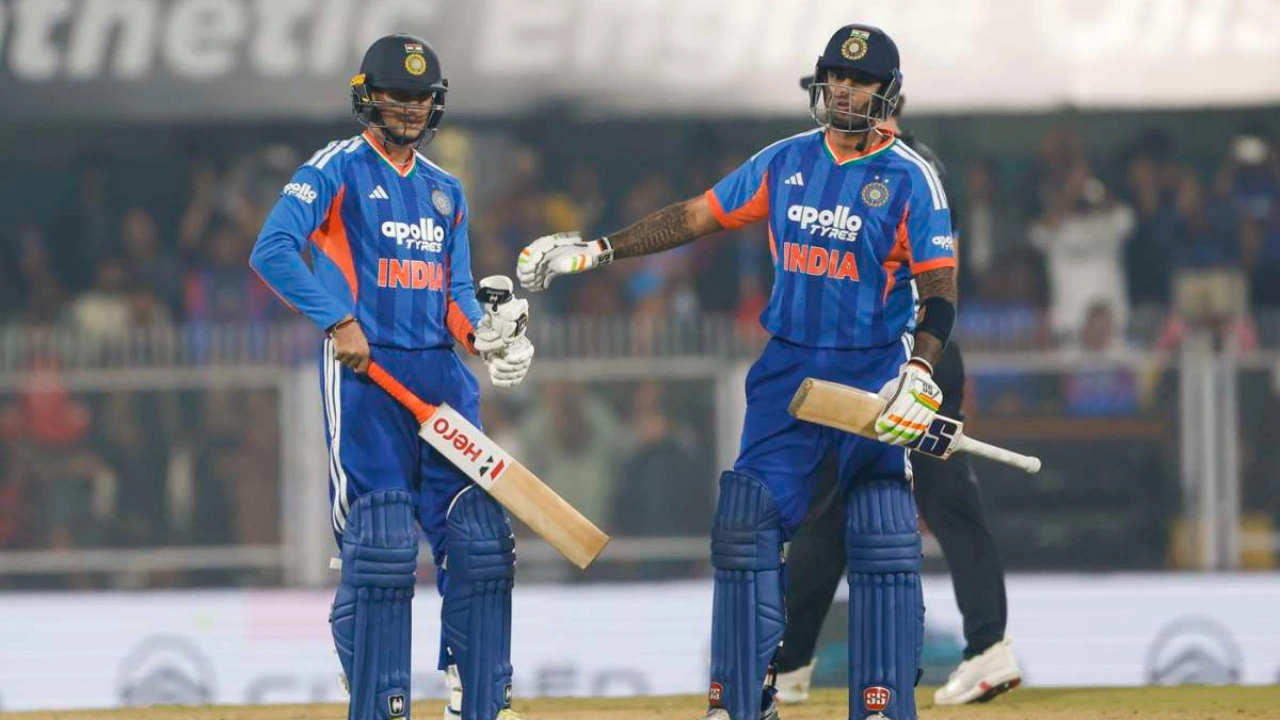
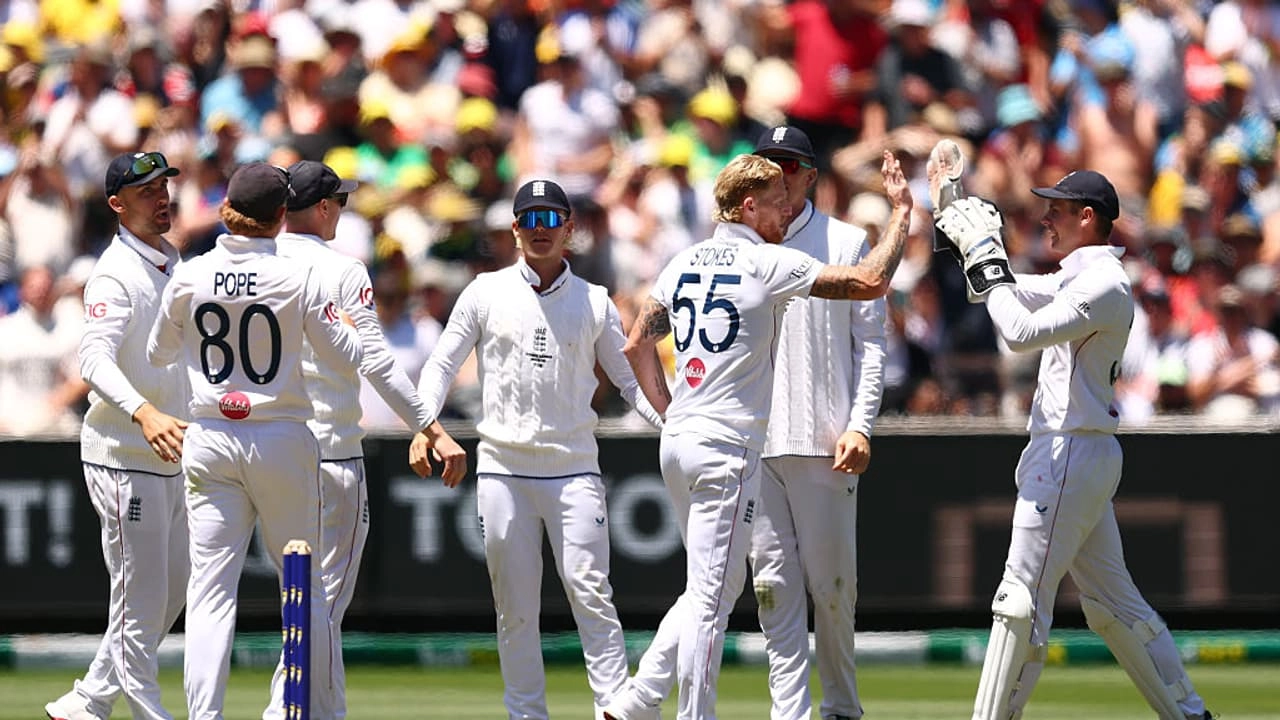
The Pakistan Cricket Board (PCB) has made a significant announcement regarding the upcoming Women’s World Cup, stating that the women’s national team will not be traveling to India for the tournament. This decision comes amid ongoing tensions and a challenging political climate between the two neighboring countries. PCB Chief Ramiz Raja emphasized the importance of safety and security for the players, asserting that the well-being of the athletes is the top priority. The PCB’s stance reflects a broader concern regarding the treatment of Pakistani players in India, as well as apprehensions about the overall environment during the tournament.
Raja’s message was clear and pointed, highlighting the PCB’s commitment to ensuring a safe and supportive atmosphere for its players. He expressed disappointment over the situation, noting that cricket should serve as a bridge to foster goodwill and camaraderie between nations. However, the current geopolitical issues have overshadowed the spirit of sportsmanship, leading to this difficult decision. The PCB’s refusal to participate raises questions about the future of cricketing ties between Pakistan and India, especially in light of the mutual benefits that such events can bring in promoting the sport.
The implications of this decision extend beyond just the women’s team. It signals a potential shift in how international cricket is organized and the willingness of nations to engage in sporting events under strained political circumstances. Fans and analysts alike will be watching closely to see how this situation unfolds and whether it will prompt discussions about the need for better diplomatic relations between the two countries. The refusal to travel to India for the Women’s World Cup is not just a sports-related issue; it reflects the complexities of international relations and the challenges faced by athletes who find themselves caught in the crossfire of political disagreements. This situation underscores the importance of fostering a culture of respect and cooperation in sports, which can sometimes serve as a powerful tool for peace and understanding.