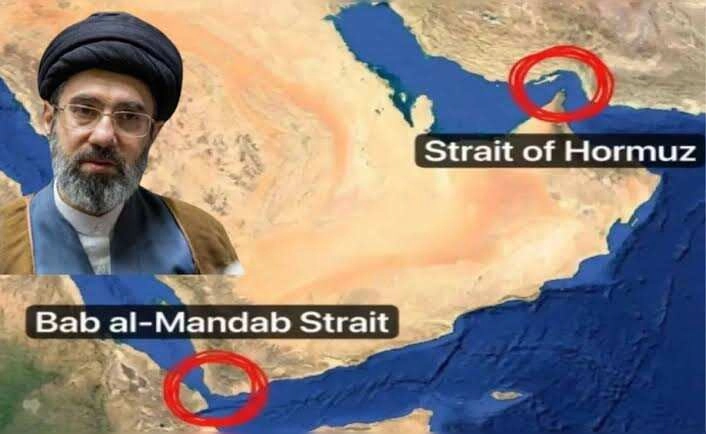
After the Strait of Hormuz, the Bab al-Mandeb Strait is now facing significant threats. This maritime route is crucial for global trade, particularly for the transportation of crude oil. The Bab al-Mandeb Strait connects the Red Sea to the Gulf of Aden and serves as a strategic passage for ships heading to and from the Suez Canal, which is one of the busiest trade routes in the world. Any disruption in this vital corridor could have severe repercussions for the global oil market.
If the Bab al-Mandeb Strait were to be closed due to heightened tensions or conflicts in the region, the implications for crude oil prices could be drastic. Currently, a significant portion of the world’s oil supply passes through this strait. A blockage would lead to increased shipping times and costs, as vessels would have to take longer routes around Africa’s Cape of Good Hope. This diversion would not only raise transportation costs but also contribute to supply shortages, further driving up oil prices.
The potential for rising crude oil prices due to disruptions in the Bab al-Mandeb Strait raises concerns for economies worldwide, as higher oil prices can lead to inflation and increased costs for consumers. Countries heavily reliant on oil imports would feel the impact most acutely, potentially triggering economic instability. The interconnectedness of global markets means that a crisis in one region can have far-reaching effects, highlighting the importance of maintaining security and stability in these critical maritime routes. Thus, the situation in the Bab al-Mandeb Strait warrants close attention from international stakeholders to prevent any escalation that could threaten global trade and energy supplies.