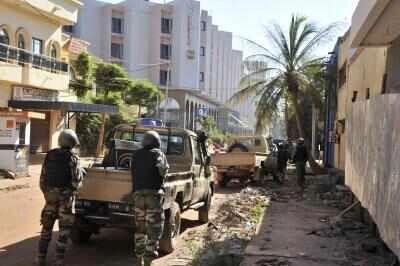
In Mali, a series of terrorist attacks have struck multiple cities, leading to significant loss of life and heightened security concerns. Among the victims of these relentless assaults was the country’s Defense Minister, Sadio Camara. His death not only marks a tragic loss for the nation but also highlights the escalating violence and instability that has plagued Mali in recent years. The attacks, which targeted various urban centers, have raised alarms regarding the effectiveness of the security measures in place and the growing influence of extremist groups in the region.
The situation in Mali has been deteriorating, with armed groups increasingly asserting their presence and carrying out coordinated strikes against both military and civilian targets. The government’s ability to maintain order and protect its citizens has come under scrutiny, particularly following such high-profile incidents. The assassination of a high-ranking official like Minister Camara sends a chilling message about the reach and audacity of these terrorist factions, which often exploit the socio-political turmoil within the country to further their agenda.
In response to these attacks, the Malian government is likely to intensify its military operations against insurgents and seek international assistance to bolster its defense capabilities. The international community has expressed concern over the situation in Mali, as instability in the region can have far-reaching implications, potentially affecting neighboring countries and contributing to a broader security crisis in West Africa. As Mali grapples with these challenges, the loss of leadership and the ongoing threat of violence highlight the urgent need for a comprehensive strategy to restore peace and security within its borders.