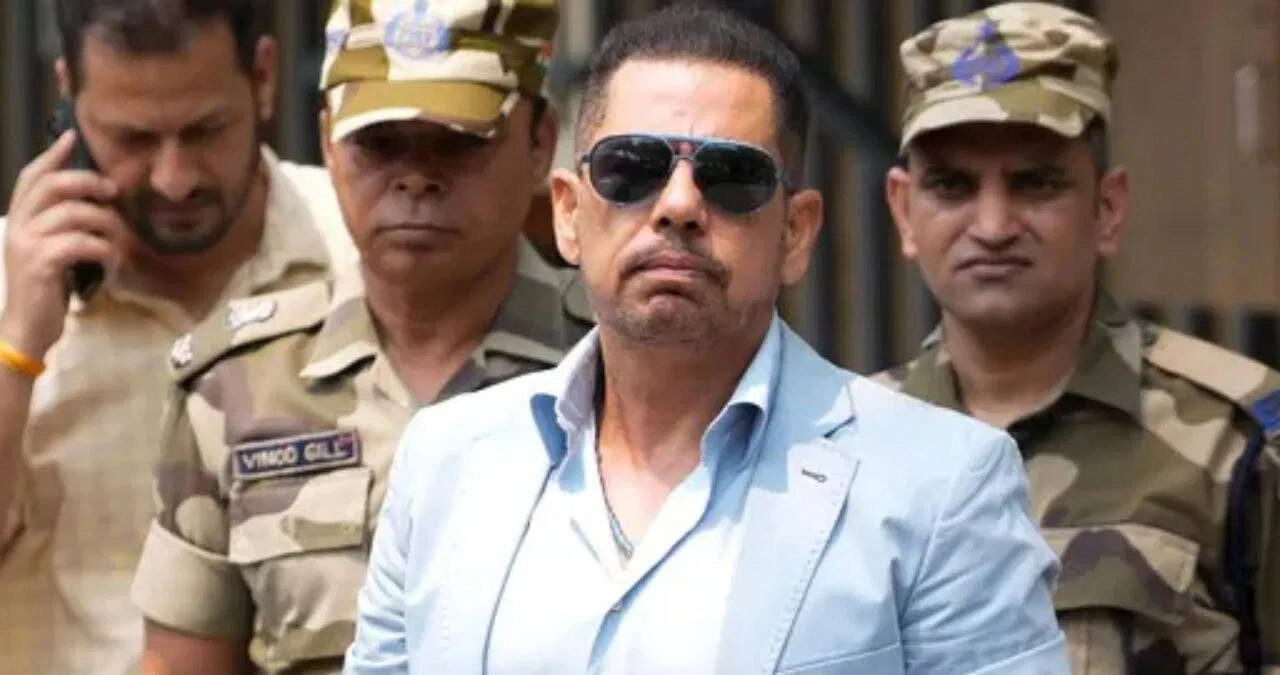
In the ongoing Gurugram land scam case, prominent businessman Robert Vadra has been summoned for questioning. The case, which has drawn significant media attention, revolves around allegations of illegal land deals and irregularities in property transactions in the Gurugram area. This summons marks a critical development in the investigation as authorities seek to unravel the complexities surrounding these land transactions.
Robert Vadra, who is the son-in-law of former Indian National Congress president Sonia Gandhi, has faced scrutiny in the past regarding his business dealings. The current allegations suggest that he may have been involved in dubious practices related to land acquisition in Gurugram, a rapidly developing region in the National Capital Region of India. The Enforcement Directorate (ED) is spearheading the investigation, aiming to gather evidence and establish a clear connection between Vadra and the alleged scams.
The scheduled hearing on May 16 will be pivotal, as it could lead to further revelations or even legal repercussions for Vadra. The case has implications not only for Vadra but also for the political landscape in India, given his familial ties to influential political figures. As the investigation unfolds, it will be interesting to see how it impacts public perception and the ongoing discussions surrounding land reforms and property rights in the country.
Overall, the Gurugram land scam case is a significant legal matter that highlights issues of corruption, power dynamics, and accountability in real estate transactions. The outcome of the hearing could set important precedents for future cases involving high-profile individuals in India, particularly concerning their involvement in land and property dealings. As developments continue to emerge, the public eye remains closely focused on the proceedings and the implications they hold for Vadra and the broader political context.