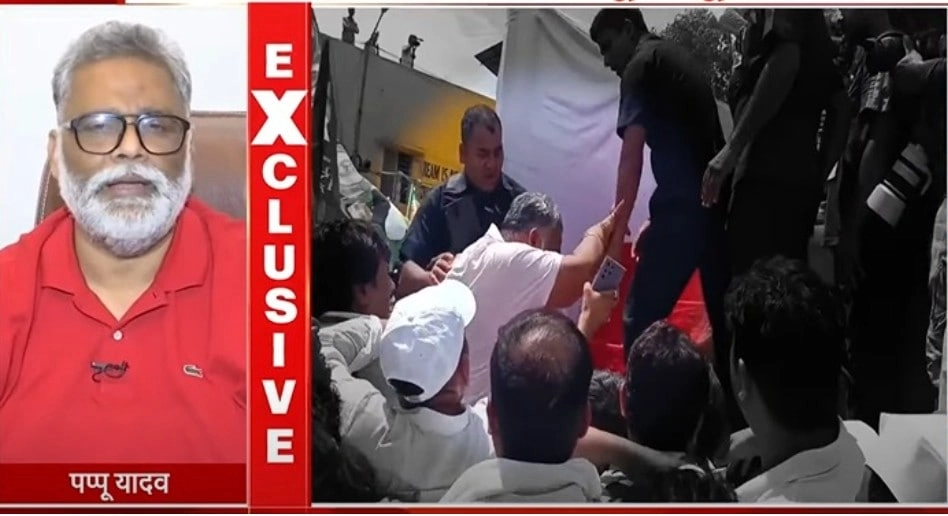
Pappu Yadav, the prominent Indian politician and leader of the Jan Adhikar Party, recently found himself at the center of controversy during a Congress rally. His remarks, which many perceived as a gaffe, sparked significant discussion among political commentators and the general public alike. Yadav’s comments highlighted a broader issue within Indian politics: the expectation for political figures to endure insults and maintain composure in the face of criticism. This expectation raises questions about the norms of political discourse and the fine line between tolerance and self-respect.
In his statement, Yadav expressed frustration over the pressure he feels to simply tolerate insults without responding. He emphasized that while political rivalry is a natural part of democracy, there comes a point when respect must be upheld. His comments resonate with a larger sentiment shared by many politicians who often find themselves under attack from opponents and media alike. Yadav’s candidness sheds light on the emotional toll that public life can take, especially when facing relentless scrutiny and derogatory remarks.
This incident underscores the challenges that politicians face when navigating the often treacherous waters of public opinion and media portrayal. Yadav’s stance invites a crucial conversation about the standards of conduct expected from public figures and the need for a more respectful political environment. As political tensions escalate, it becomes increasingly important for leaders to not only advocate for their beliefs but also to foster a culture of constructive dialogue rather than one filled with insults and animosity.
Ultimately, Pappu Yadav’s remarks serve as a reminder that while political competition is inherent to a vibrant democracy, the manner in which differences are expressed plays a pivotal role in shaping public perception and engagement. It calls for a reevaluation of how political discourse is conducted, encouraging a shift towards respectful dialogue that acknowledges differing views without resorting to personal attacks. As the political landscape evolves, the need for civility and respect in public discussions remains more crucial than ever.