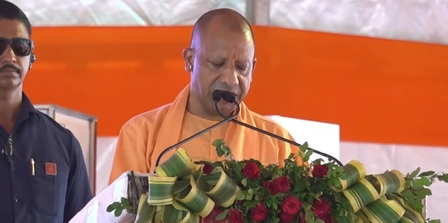
During a recent event in Shamli, Chief Minister Yogi Adityanath launched a sharp attack on the opposition, accusing them of being opponents of development and heritage. He referred to them as “worshippers of Jinnah,” suggesting that their ideologies are disconnected from the values of nationalism and progress that he advocates. Yogi’s comments highlight a broader political narrative in which the ruling party seeks to position itself as the champion of Indian culture and tradition while portraying the opposition as out of touch with the aspirations of the people.
The Chief Minister emphasized the importance of fostering an environment conducive to development, arguing that the opposition’s stance is detrimental to the progress of the state. He asserted that the policies and actions of his government are aimed at uplifting the society and restoring its cultural heritage. By invoking historical figures like Jinnah, Yogi aims to draw a stark contrast between his administration’s vision and that of the opposition, framing the latter as rooted in divisive politics rather than constructive governance.
Yogi’s remarks resonate with a significant segment of the population that values national pride and cultural identity. In his speech, he urged citizens to recognize the importance of unity and to reject ideologies that undermine the fabric of society. By linking the opposition to figures associated with division, he seeks to consolidate support for his party by appealing to the emotions of the electorate, reminding them of the historical sacrifices made for the nation’s integrity.
Overall, the Chief Minister’s address reflects a strategic approach to political discourse, one that underscores the ongoing battle for public perception in India’s dynamic political landscape. As elections approach, such rhetoric becomes increasingly vital in shaping voter sentiment and reinforcing party loyalty, with leaders keenly aware that narratives of nationalism and development play a crucial role in mobilizing support.