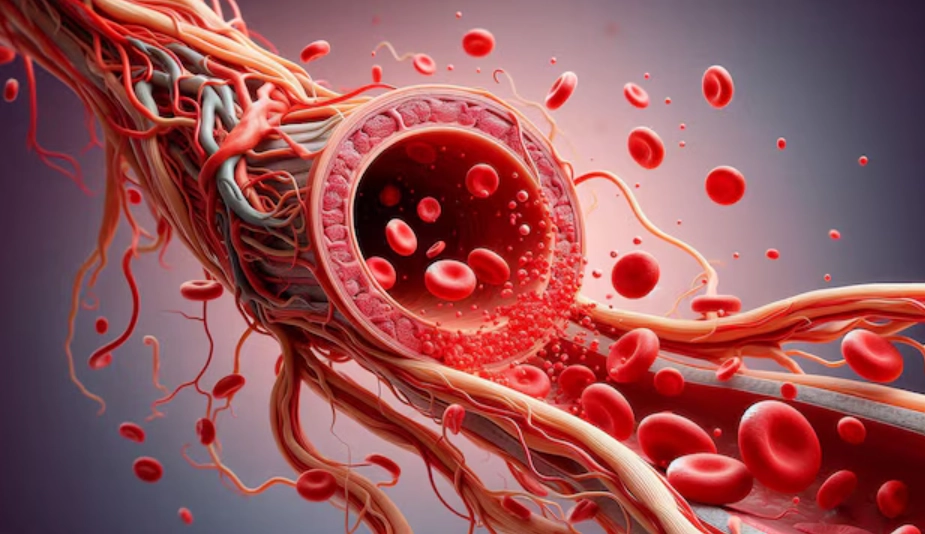
If you have a B+ blood group, you may be curious to learn about its unique characteristics and significance. Blood groups are classified based on the presence or absence of specific antigens and antibodies in the blood, and the B+ group is one of the important classifications in the ABO blood group system. Individuals with B+ blood type possess B antigens on the surface of their red blood cells and have the Rh factor, which makes them Rh positive. This combination gives rise to several key features that can impact health and compatibility in medical situations.
One notable characteristic of the B+ blood group is its dietary needs. People with this blood type are often encouraged to consume a balanced diet rich in proteins, particularly from sources like lean meats, fish, dairy, and certain plant-based proteins. Additionally, whole grains, fruits, and vegetables are beneficial. It’s believed that these dietary choices can enhance their overall well-being and may help maintain optimal health.
Another important aspect is the compatibility of B+ blood in transfusions and organ donations. B+ individuals can receive blood from B+, B-, O+, and O- donors, making them somewhat flexible in terms of blood transfusions. However, they can only donate blood to other B+ and AB+ individuals, which can limit their ability to contribute to the blood supply during emergencies. Understanding these compatibility factors is crucial for both donors and recipients in medical settings.
Furthermore, research suggests that blood type can play a role in susceptibility to certain diseases. While no definitive conclusions have been reached, some studies have indicated that B+ individuals may have a lower risk of certain infections but could be more susceptible to others. This highlights the importance of understanding one’s blood type beyond just its immediate implications for health and medical procedures.
In conclusion, being part of the B+ blood group comes with distinct features that affect dietary recommendations, blood donation compatibility, and possibly even health risks. Awareness of these characteristics can help individuals make informed decisions regarding their health and when seeking medical care. Whether it’s through dietary adjustments or understanding blood donation protocols, knowledge about blood types can empower individuals to take proactive steps in managing their health.