The Mediterranean diet is renowned for its health benefits, emphasizing fresh, wholesome ingredients that promote heart health, weight management, and overall well-being. This dietary approach centers around a variety of fruits, vegetables, whole grains, lean proteins, and healthy fats, particularly olive oil. Over the course of 30 days, one can explore a diverse array of dinner recipes that not only adhere to these principles but also celebrate the rich flavors and culinary traditions of Mediterranean cuisine.
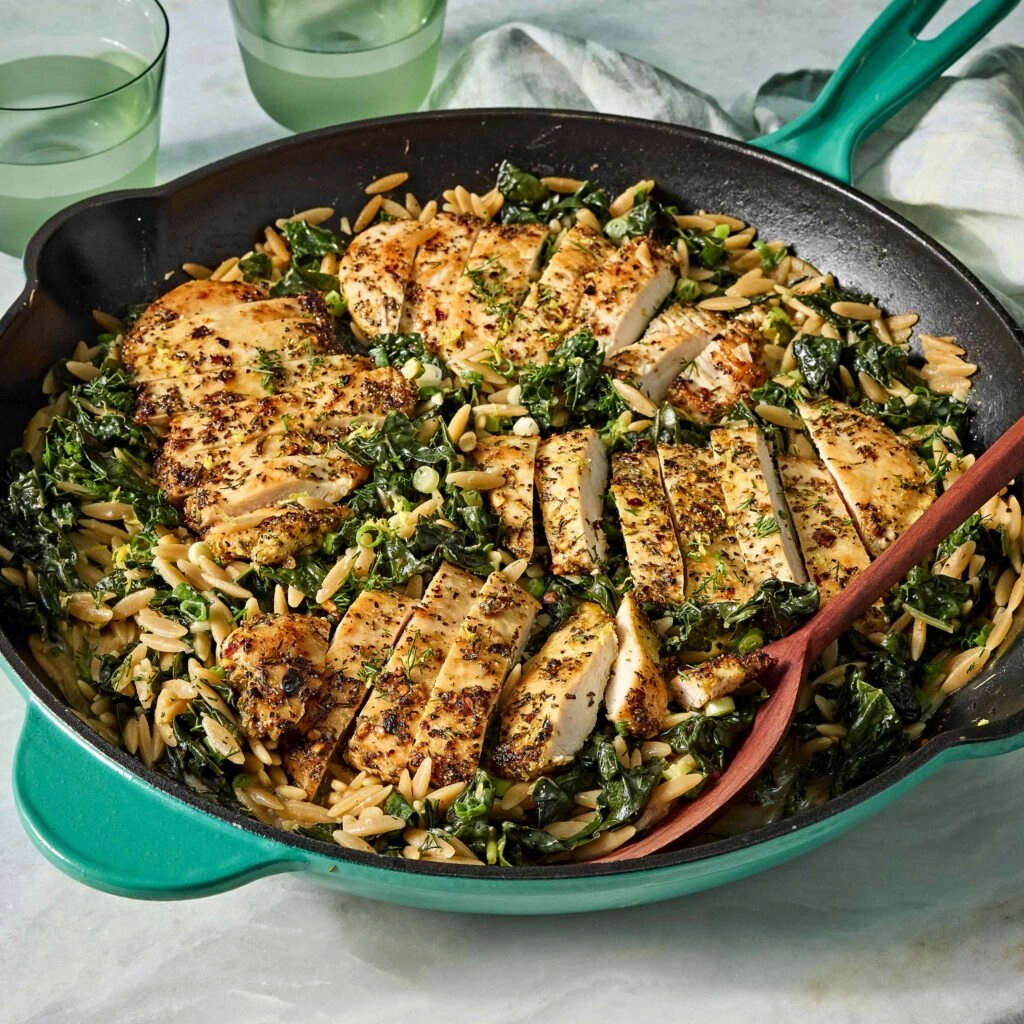
For the first week, dinners can include dishes such as grilled lemon-garlic chicken served with a side of quinoa salad, featuring cucumbers, tomatoes, and feta cheese. Another delightful option is a hearty vegetable ratatouille, brimming with eggplant, zucchini, and bell peppers, simmered to perfection. Fish lovers can enjoy baked salmon with a herb crust, accompanied by roasted asparagus drizzled with balsamic vinegar. Each recipe is designed to be simple yet flavorful, allowing home cooks to easily incorporate these meals into their weekly routine.
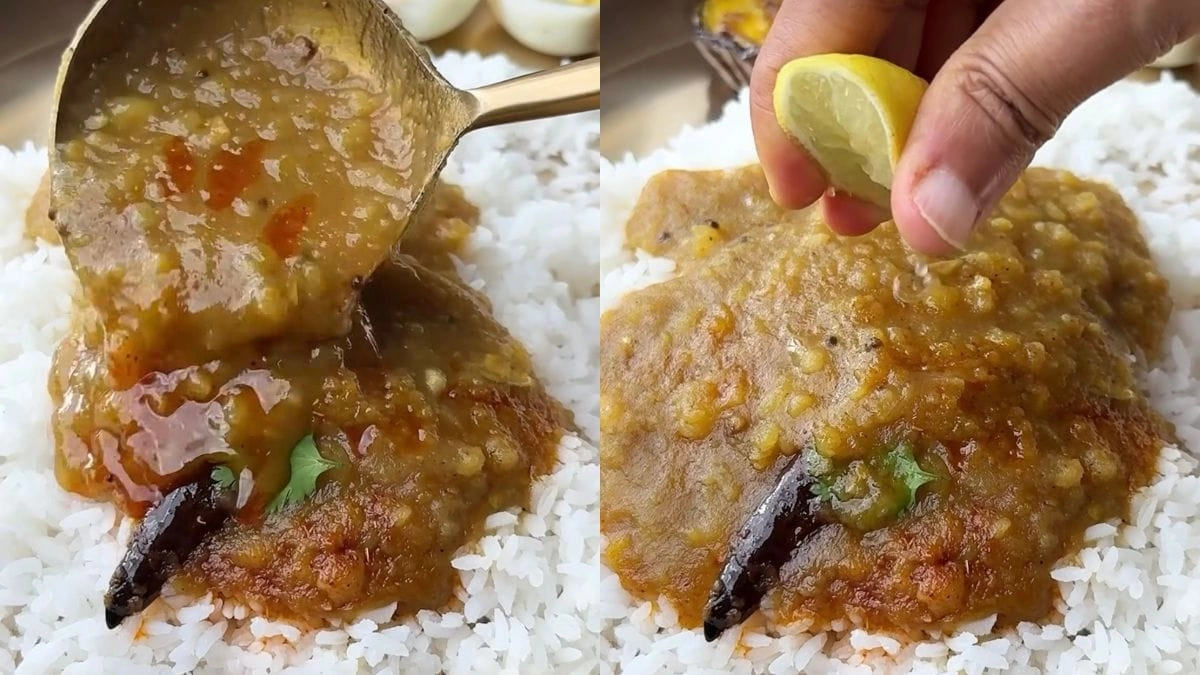
As the second week unfolds, the emphasis can shift toward vegetarian options that showcase the abundance of legumes and grains. Dishes like lentil stew with spinach and carrots, or a chickpea and spinach salad topped with tahini dressing, offer nutritious alternatives that are both filling and satisfying. Additionally, whole grain pastas can be prepared with seasonal vegetables and a light tomato sauce, providing a comforting yet healthy option that captures the essence of Mediterranean flavors. Each dinner is not only a meal but an opportunity to embrace a lifestyle that values good food, shared moments, and a slower pace of life.
In the third and fourth weeks, the recipes can explore regional variations within the Mediterranean diet, incorporating influences from Greece, Italy, and the Middle East. For instance, a classic Greek moussaka made with layers of eggplant, ground meat, and béchamel sauce can be a centerpiece dish. Alternatively, Italian-inspired risottos infused with saffron and finished with fresh herbs can delight the palate. Meanwhile, Middle Eastern dishes like stuffed bell peppers with spiced rice and pine nuts can add an exciting twist to the dinner table. Each recipe offers a unique taste experience while maintaining the healthful principles of the Mediterranean diet, making it easier to commit to this lifestyle long-term.
By the end of the 30 days, participants will not only have enjoyed a variety of delicious dinners but also cultivated a deeper appreciation for the Mediterranean way of eating. This journey through flavors and ingredients promotes not only a healthier diet but also a greater sense of community, as many of these meals are best enjoyed with family and friends. Embracing the Mediterranean diet is not just about food; it’s about fostering connections, sharing stories, and celebrating life through the joy of cooking and eating together.