In a recent statement, former President Donald Trump expressed optimism regarding potential negotiations with China, particularly in relation to TikTok, the popular social media platform. Trump conveyed that he has reached an understanding or a deal concerning the app, which has been a focal point of controversy and concern regarding data privacy and national security. His comments suggest a proactive approach to addressing the regulatory challenges that have surrounded TikTok, especially given its ownership by the Chinese company ByteDance.
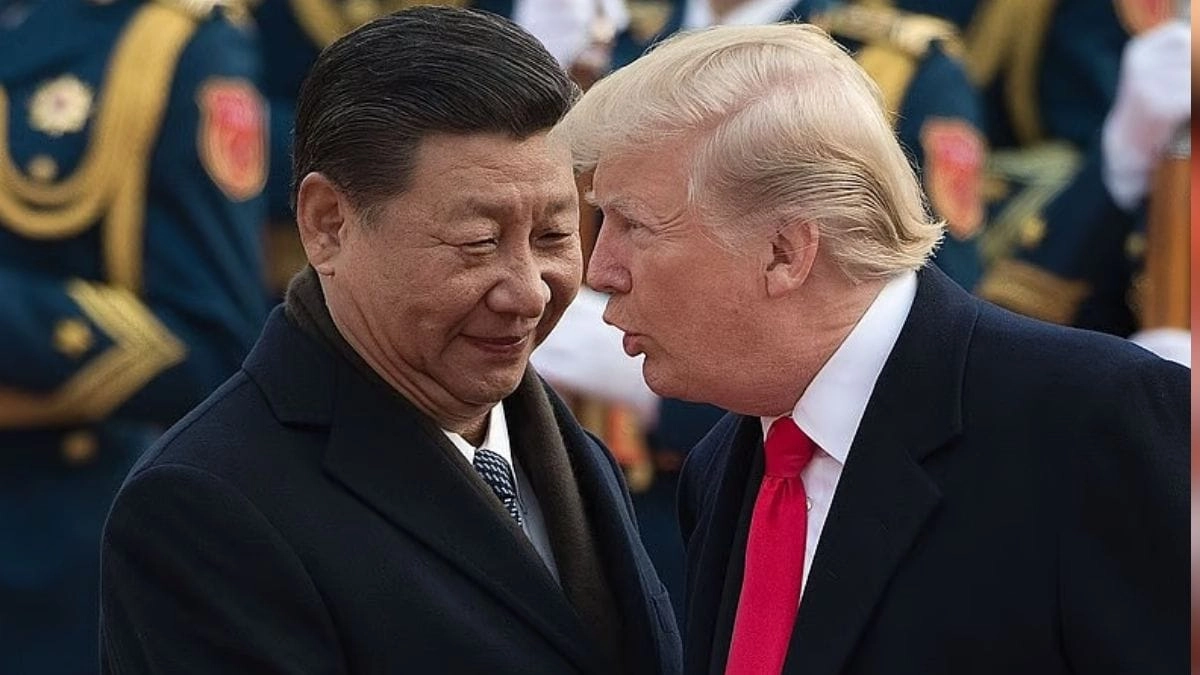
Trump’s declaration also highlights his willingness to engage directly with Chinese President Xi Jinping to further discuss and finalize the details of the agreement. This willingness to communicate with leaders of other nations underscores the importance of diplomacy in resolving complex international business matters. The implications of such a deal could extend beyond just TikTok, potentially influencing broader U.S.-China relations, trade negotiations, and the landscape of technology and data security.
As both nations navigate the intricacies of their economic relationship, the outcome of these discussions could set important precedents for how technology companies operate across borders. Trump’s comments reflect a broader strategy of leveraging personal diplomacy and negotiation as tools for achieving favorable outcomes in international affairs. The evolving narrative surrounding TikTok is emblematic of the challenges that arise when technology intersects with geopolitical interests, raising questions about user privacy, corporate governance, and the role of government in regulating digital platforms.
Overall, the potential deal on TikTok could serve as a pivotal moment in the ongoing dialogue between the U.S. and China, potentially easing tensions while setting the stage for future collaborations or disagreements in the tech sector. As the situation develops, it will be essential to monitor how these discussions unfold and what implications they hold for users, businesses, and policymakers alike.