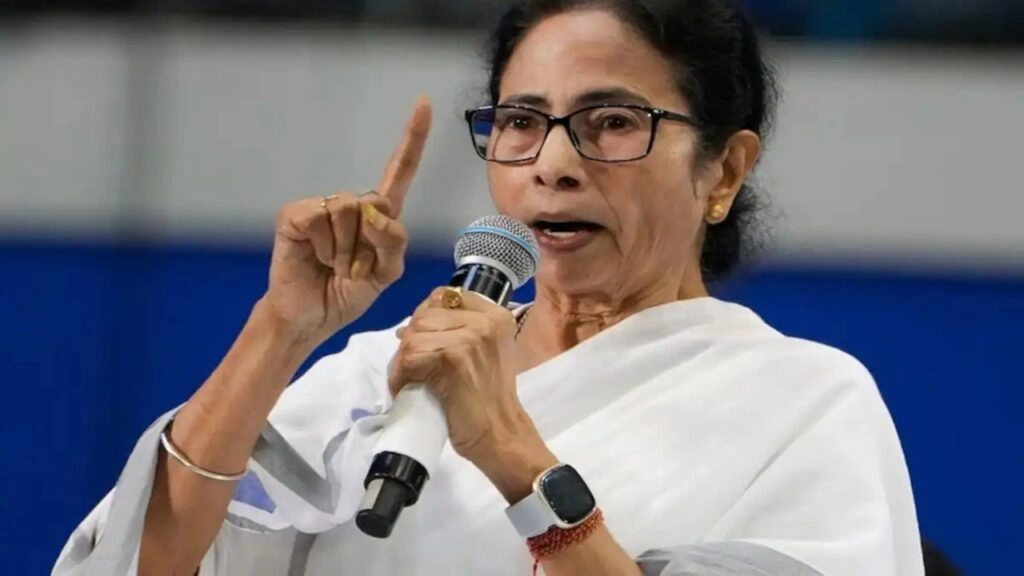
In recent weeks, West Bengal has witnessed significant political developments within the Trinamool Congress (TMC), a party led by Chief Minister Mamata Banerjee. These changes have sent ripples through the political landscape, causing a stir not only among party members but also among the public and political observers. The TMC, which has been a dominant force in West Bengal politics, is now facing challenges that could reshape its future.
One of the most shocking developments for Mamata Banerjee has been the sudden departure of key party leaders. These exits have raised questions about the internal dynamics of the TMC and the overall stability of the party. Some leaders cite dissatisfaction with the party’s direction and leadership as reasons for their departure, indicating that there may be underlying issues that need to be addressed. This has left Banerjee in a precarious position as she attempts to maintain her grip on power and navigate these turbulent waters.
In addition to the departures, there have been reports of growing dissent within the party ranks. Some members are openly expressing their concerns regarding the party’s strategies and governance. This dissent is particularly concerning for Banerjee, who has built her political career on a strong grassroots connection with the electorate. If left unaddressed, the growing discontent among party members could weaken the TMC’s hold on West Bengal, especially in light of upcoming elections.
As these developments unfold, the political landscape in West Bengal is becoming increasingly unpredictable. Mamata Banerjee’s ability to manage her party’s internal strife while addressing the concerns of the electorate will be crucial in determining the TMC’s future. The coming months will be pivotal, as both the party and the Chief Minister face the challenge of restoring unity and confidence among their ranks while also ensuring effective governance in the state.