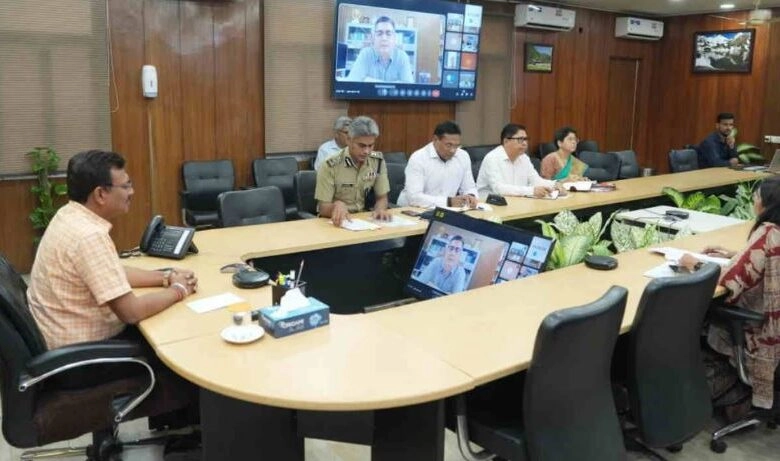
The alignment for the Haridwar Bypass-2 has been officially determined, and it is set to traverse through the Rajaji Tiger Reserve. This decision has raised significant environmental concerns due to the potential impact on the delicate ecosystem of the reserve, which is home to a variety of wildlife, including the majestic Bengal tiger. The bypass is intended to alleviate traffic congestion in Haridwar, a city that attracts millions of pilgrims and tourists each year. However, the chosen route has sparked debate among environmentalists, local communities, and government officials regarding the balance between infrastructure development and wildlife conservation.
The Rajaji Tiger Reserve, a protected area known for its rich biodiversity, plays a crucial role in maintaining ecological balance. Any construction or development activities within such a sensitive zone can disrupt the natural habitats of various species, leading to adverse effects on their populations. Conservationists are particularly worried that the bypass could fragment the habitats of tigers and other wildlife, making it more challenging for them to thrive. The decision to route the bypass through this area raises questions about the prioritization of human needs over the preservation of nature.
In response to these concerns, discussions are ongoing regarding potential mitigation measures that could minimize the impact of the bypass on the environment. These may include constructing wildlife corridors, imposing speed limits for vehicles, and implementing other strategies to protect wildlife from the increased traffic. The challenge lies in finding a solution that meets the infrastructure requirements of a growing population while ensuring the conservation of the unique ecological heritage that the Rajaji Tiger Reserve represents. Stakeholders from various sectors must collaborate to address these issues and seek a sustainable approach to development in the region.
Ultimately, the Haridwar Bypass-2 project serves as a critical case study for the broader conversation about sustainable development in ecologically sensitive areas. It emphasizes the need for careful planning and consideration of environmental impacts in infrastructure projects, particularly in regions that are home to endangered species and vital ecosystems. As the discussions continue, the hope is that a balanced solution can be reached that respects both human progress and the natural world.