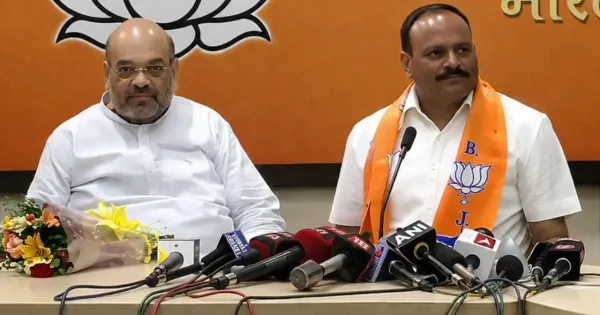
Amit Shah and Brajesh Pathak recently responded to Dharmendra Pradhan’s resignation, addressing the implications for youth and students in India. Their reactions highlight the importance of continuity and stability in leadership roles, especially in sectors that directly impact younger generations. Amit Shah emphasized the need for a strong and dedicated approach to education and youth affairs, asserting that the government remains committed to empowering students and providing them with the necessary resources to thrive in today’s competitive environment.
Brajesh Pathak, on the other hand, expressed his views on the potential changes that might arise from Pradhan’s resignation. He underlined the significance of having experienced leaders in critical positions, particularly those responsible for shaping educational policies that affect youth. Both leaders acknowledged the vital role that education plays in national development and the necessity for sustained efforts to enhance the quality of learning in India. They reaffirmed their dedication to ensuring that the aspirations of the youth are met through effective governance and innovative strategies.
In light of these developments, it is crucial to recognize the broader implications for students and young professionals. As the landscape of educational leadership evolves, the government must prioritize initiatives that promote skill development, access to higher education, and the overall well-being of the youth. The commitment of leaders like Amit Shah and Brajesh Pathak to these issues will be instrumental in shaping a future that empowers the next generation to succeed and contribute positively to society. Their statements reflect a collective vision for a more robust educational framework, which is essential for harnessing the potential of India’s youthful population.