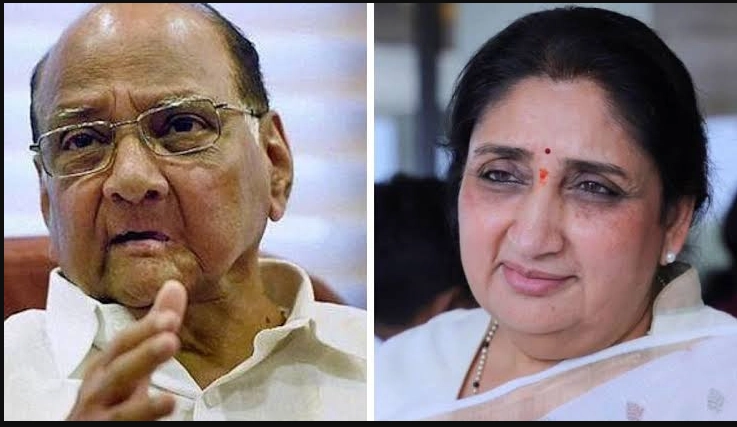
The Bharatiya Janata Party (BJP) has expressed a strong desire for the two factions of the Nationalist Congress Party (NCP) to come together and lend their support to the National Democratic Alliance (NDA). This call for unity stems from the BJP’s strategic interests in strengthening its political position in the region, particularly in light of the upcoming elections. The BJP believes that a consolidated front, rather than a fragmented one, would enhance the effectiveness of their political efforts and could potentially lead to a more robust governance structure.
The NCP has been divided into two main factions, each led by different leaders who have their own political agendas and affiliations. The BJP’s appeal for these factions to unite is not merely a political maneuver; it reflects a broader strategy aimed at consolidating votes and resources to ensure a favorable outcome in future electoral contests. By encouraging the two factions to set aside their differences and work together, the BJP hopes to create a more formidable alliance that can challenge opposing parties and claim a larger share of the political landscape.
Moreover, the BJP’s initiative is indicative of its approach to coalition politics, where collaboration and unity among regional parties can significantly impact the national political scenario. The BJP recognizes that a united NCP could play a critical role in bolstering the NDA’s position, especially in states where regional parties have historically held sway. The call for unity also emphasizes the importance of strategic alliances in contemporary politics, as parties seek to maximize their influence and reach within an increasingly competitive environment.
In summary, the BJP’s push for the two factions of the NCP to unite reflects a calculated effort to strengthen the NDA’s political standing and enhance its electoral prospects. By fostering collaboration among these factions, the BJP aims to create a powerful coalition capable of navigating the complexities of state and national politics. The outcome of this initiative could have significant implications for the future of the political landscape, influencing not only the dynamics within Maharashtra but also the broader trajectory of Indian politics as a whole.