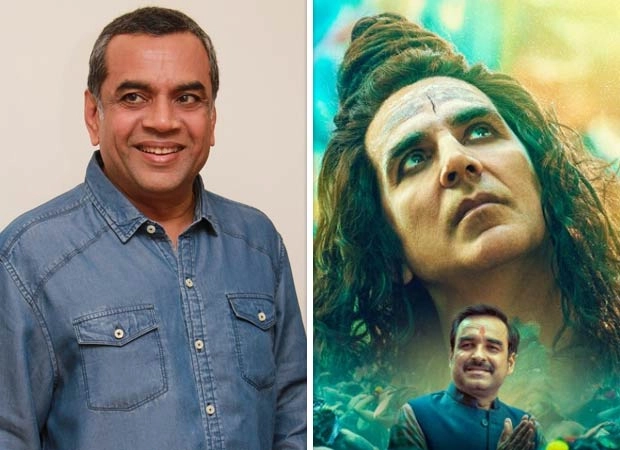
Paresh Rawal has recently made headlines by claiming that the film “OMG 2” was originally based on an idea he conceived. The acclaimed actor, known for his versatile roles in Indian cinema, expressed his disappointment regarding the changes made to the script during the development process. According to Rawal, he had envisioned a narrative that was grounded in realism and did not necessitate the inclusion of a divine character, which he felt altered the essence of the story he initially proposed.
In his remarks, Rawal emphasized that his original concept was aimed at exploring contemporary issues faced by society, particularly in the context of faith and spirituality. He believed that the film could have taken a more authentic approach, focusing on the struggles and dilemmas of ordinary people rather than relying on supernatural elements to drive the narrative. This shift in direction led Rawal to ultimately walk away from the project, as he felt that the changes deviated significantly from his initial vision.
The actor’s revelations have sparked discussions among fans and film enthusiasts regarding the creative processes involved in filmmaking. Many are left wondering how the presence of a divine character influences the overall message of a story and whether it enhances or detracts from the film’s impact. Rawal’s experience highlights the challenges that artists often face when their original ideas are transformed under the influence of various stakeholders in the film industry. As audiences eagerly await the release of “OMG 2,” the conversation surrounding the film’s creative journey continues to unfold, underscoring the importance of artistic integrity in cinema.