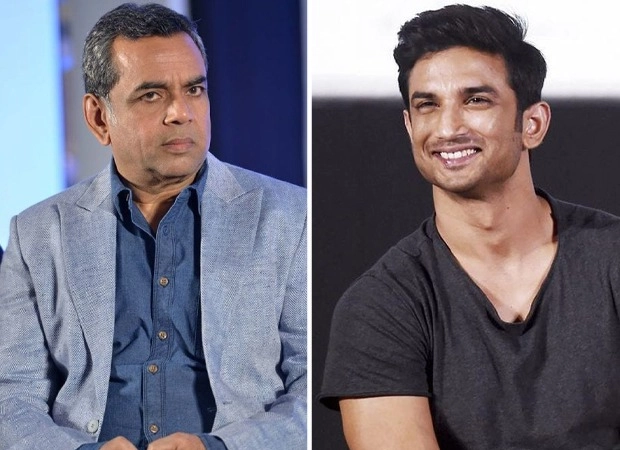
Paresh Rawal, the esteemed actor and former politician, has candidly expressed his disdain for the media frenzy that surrounded the tragic death of actor Sushant Singh Rajput. In recent interviews, Rawal emphasized how the relentless coverage and sensationalism surrounding Rajput’s demise were not only distressing but also highlighted the darker side of media practices in India. He described the situation as a “media circus,” where the thirst for sensational news overshadowed the need for respectful discourse. This chaotic environment, according to Rawal, served to exploit the grief of those affected rather than providing a constructive narrative about mental health and the pressures faced by individuals in the entertainment industry.
Rawal’s comments reflect a broader concern about the impact of media on public perception, especially in high-profile cases. He expressed his belief that the media should act responsibly, especially when reporting on sensitive issues such as mental health and suicide. The actor’s frustration goes beyond just the coverage of Sushant’s death; it extends to the way the media often sensationalizes tragedies for ratings and clicks, ultimately leading to a lack of empathy for those involved. Such a culture, he argues, not only harms the families of the deceased but also contributes to a society that is desensitized to serious issues.
In light of these experiences, Rawal also shared insights into his decision to step away from active politics. He indicated that the toxic environment within the political landscape, much like the media, can be overwhelming and detrimental to one’s mental well-being. The actor noted that he preferred to focus on his craft rather than engage in the often chaotic and contentious world of politics. His choice reflects a desire to maintain his integrity and peace of mind, prioritizing his artistic endeavors over the pressures and scrutiny that come with a political career. Rawal’s reflections serve as a poignant reminder of the need for compassion and responsibility in both media reporting and public life, especially in an era where social media amplifies every narrative.