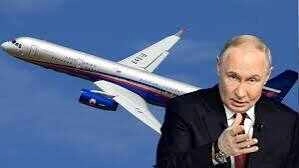
Russia’s “Doomsday Plane” has arrived in Tehran, raising global concerns amid escalating tensions in the Middle East. The arrival of this aircraft, officially known as the Ilyushin Il-80, is particularly significant as it is designed to ensure the continuity of government and military command in the event of a nuclear conflict. This development has sparked discussions about the strategic implications of such a move in a region already fraught with instability.
In recent weeks, the Middle East has witnessed a surge in hostilities and geopolitical maneuvering, which has alarmed various nations around the world. The presence of the Doomsday Plane in Tehran could be interpreted as a show of strength by Russia, indicating its willingness to project power and influence in the region. Analysts are closely examining the implications of this aircraft’s deployment, noting that it serves not only as a symbol of military readiness but also as a message to both allies and adversaries.
Videos circulating on social media platforms have further fueled discussions about the strategic messages embedded in this event. Experts argue that the arrival of the Doomsday Plane may exacerbate existing tensions, with countries in the region reassessing their military strategies and alliances. The situation calls for careful observation, as the balance of power in the Middle East remains delicate, and the introduction of such military assets could shift dynamics in unpredictable ways. As global leaders respond to this development, the focus will likely remain on diplomatic efforts to mitigate the risks of conflict and ensure stability in the region.