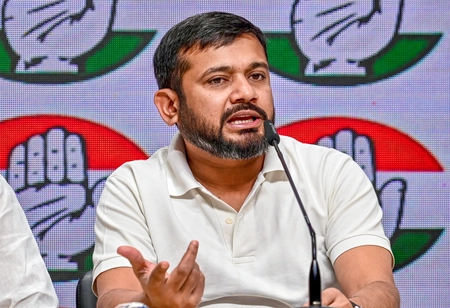
Kanhaiya Kumar, a prominent political figure and former president of the Jawaharlal Nehru University Students’ Union, has recently been granted bail in a case related to the alleged violation of the Model Code of Conduct (MCC) during the 2019 elections. This case has been one of the significant legal challenges faced by Kumar, who has been an influential voice in Indian politics, particularly among the youth and student communities. The Model Code of Conduct is a set of guidelines issued by the Election Commission of India to regulate political parties and candidates during elections, ensuring free and fair electoral processes.
The bail was granted by a court after considering the arguments presented by Kumar’s legal team, which highlighted the lack of substantial evidence against him. The case stemmed from allegations that he made inflammatory remarks during a public rally, which were purportedly in violation of the MCC. Kumar has consistently maintained that he was exercising his right to free speech and that the charges against him were politically motivated, aimed at stifling dissent and targeting his political career.
Kumar’s release on bail is seen as a significant development, especially in the context of the ongoing political landscape in Bihar and the broader implications for political discourse in India. His supporters view this as a vindication of his stance against what they perceive as oppressive tactics used by the ruling government to silence opposition voices. As Kumar continues to engage with the public and participate in political activities, this legal battle underscores the challenges faced by many political figures in India, where the intersection of law and politics often leads to contentious disputes.
This case, along with similar instances involving other political leaders, raises important questions about the balance between maintaining order during elections and protecting democratic freedoms. The outcome of Kumar’s situation may not only influence his political future but also spark discussions about the need for reform in how electoral laws are enforced in the country. The incident serves as a reminder of the ongoing struggle for civil liberties and the importance of upholding democratic principles in a diverse and multifaceted society like India.