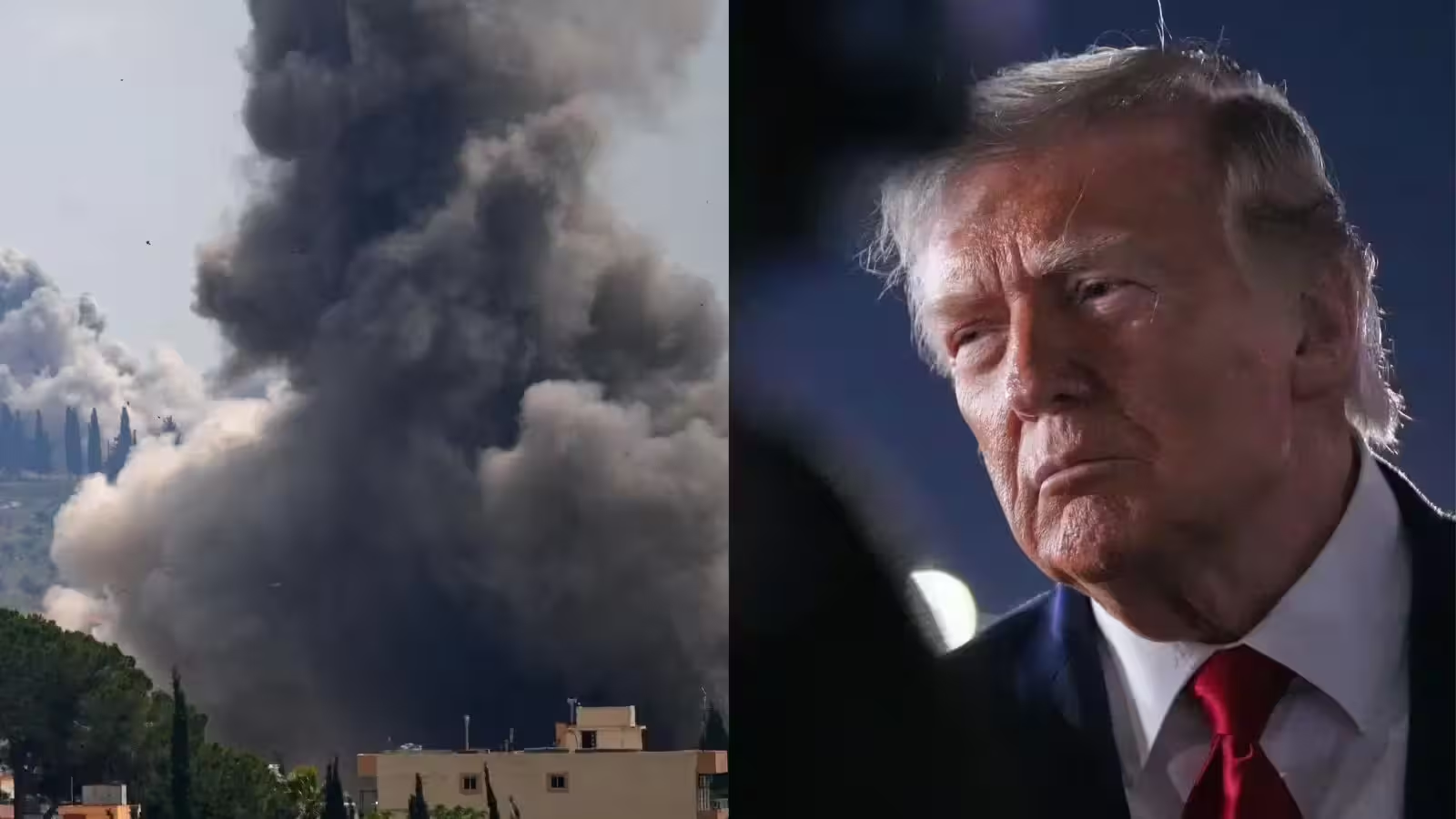
The tension between Iran and the United States has reached a boiling point, particularly following allegations of an attack near the Bushehr nuclear facility in Iran. This incident has sparked significant concern and raised fears of escalating conflict in the region. The Bushehr nuclear plant is a critical facility for Iran’s nuclear program, and any attack in its vicinity is viewed with utmost seriousness by both the Iranian government and international observers. Iran has accused the United States of orchestrating this attack, asserting that it poses a direct threat to their national security and sovereignty.
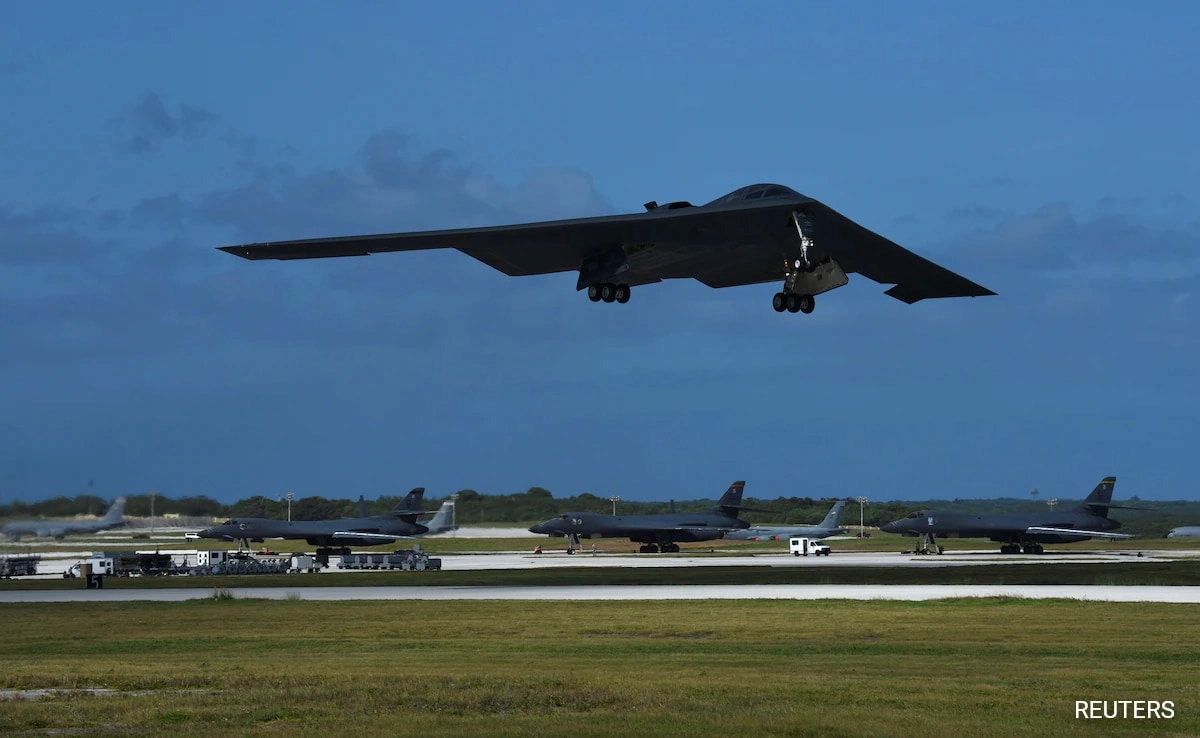
In response to these allegations, the United States has claimed responsibility for drone strikes targeting Iranian sites. This tit-for-tat exchange of accusations and military actions underscores the fragile state of relations between the two nations. The use of drones signifies a new phase in modern warfare, where precision strikes can be executed from a distance, but it also raises ethical questions about the implications of such military strategies. The potential for miscalculations and unintended consequences is high, which could lead to further escalation of hostilities in an already volatile region.
Moreover, the geopolitical ramifications of these developments are profound. Both countries have longstanding grievances against each other, and the current situation could further complicate diplomatic efforts aimed at de-escalation. As tensions rise, neighboring countries and international stakeholders are closely monitoring the situation, fearing that an armed conflict could have catastrophic effects not only for Iran and the U.S. but also for regional stability as a whole. The international community is urged to intervene and facilitate dialogue to prevent a full-scale confrontation that could spiral out of control.