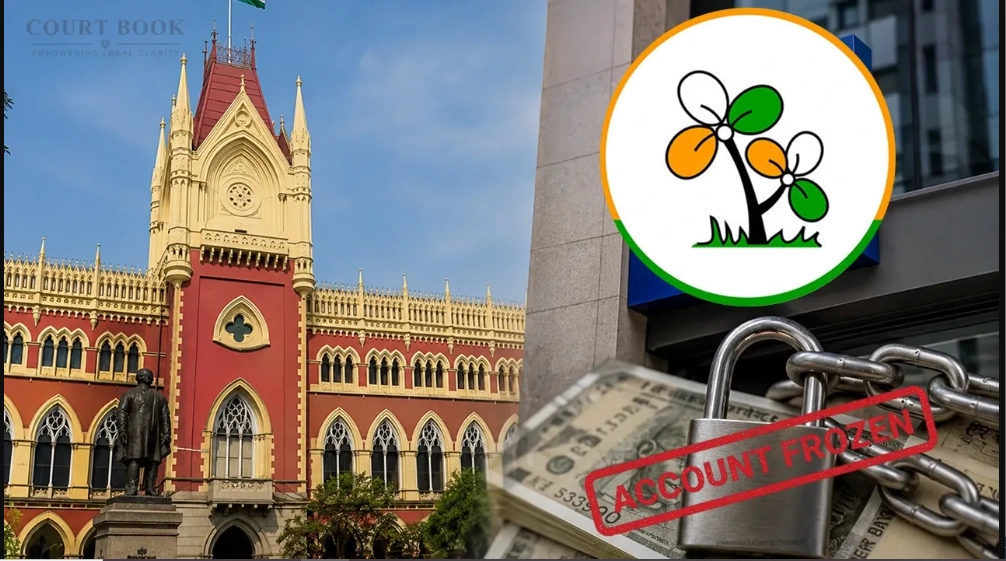
The Calcutta High Court has granted the Trinamool Congress (TMC) permission to operate its frozen bank accounts under certain conditions. This decision comes amid an ongoing political struggle in West Bengal, where the ruling party has faced scrutiny and challenges from opposition parties. The ability to access these accounts is crucial for the TMC, as it allows them to manage their financial operations and continue funding their activities, especially in light of upcoming elections. The court’s ruling reflects a nuanced understanding of the political landscape in the state, balancing the need for transparency and accountability with the operational necessities of a political party.
In a related development, three former MPs of the TMC have made headlines by joining the Bharatiya Janata Party (BJP). This shift is significant, given the TMC’s dominance in West Bengal politics and the BJP’s ongoing efforts to expand its influence in the region. The departure of these members could impact the TMC’s strength and strategy as they navigate the challenges posed by their political rivals. It also highlights the dynamic nature of party affiliations in Indian politics, where allegiances can shift rapidly based on various factors, including personal ambitions and strategic calculations.
The combination of the court’s conditional approval for the TMC’s bank account operations and the defection of former MPs to the BJP illustrates the complexities of political maneuvering in West Bengal. As the TMC seeks to regain its footing, it must contend with internal dissent and external pressures from the BJP, which is actively working to capitalize on any weaknesses within the ruling party. This evolving situation underscores the unpredictable nature of political alliances and the ever-changing landscape of electoral politics in India, particularly in states like West Bengal where rivalries run deep and party loyalty is continually tested.