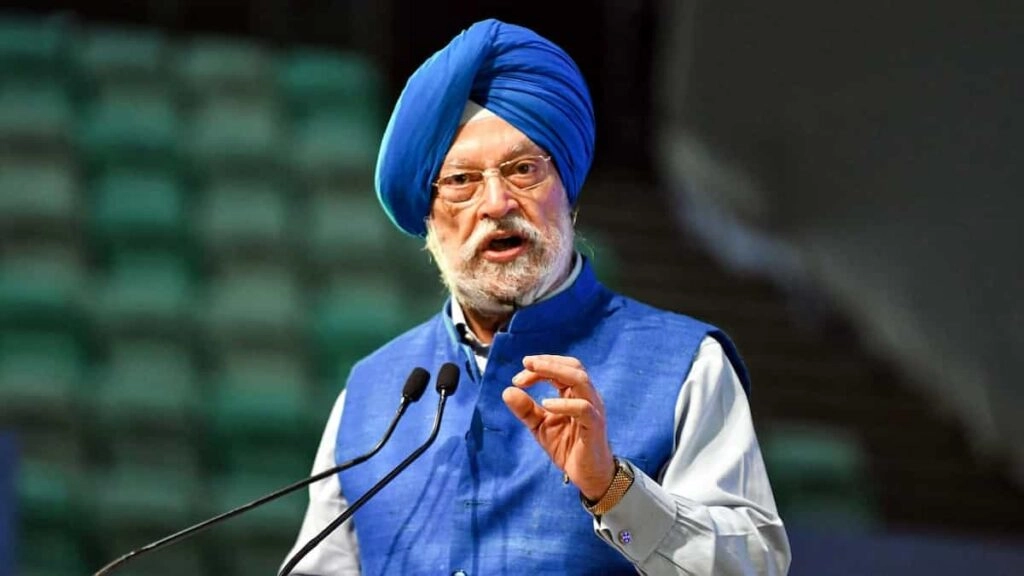
Union Minister Hardeep Puri recently emphasized the advantages of E20 petrol, a fuel blend that contains 20% ethanol and 80% gasoline. He highlighted its importance not only for enhancing fuel efficiency and reducing emissions but also for promoting the use of renewable energy sources in the automotive sector. Puri pointed out that ethanol is already utilized in racing cars, showcasing its high performance and effectiveness as a fuel alternative. This endorsement from a prominent government official underscores the growing recognition of ethanol’s potential to contribute to a more sustainable and environmentally friendly transportation system.
The introduction of E20 petrol is part of India’s broader strategy to reduce dependence on fossil fuels and lower greenhouse gas emissions. By incorporating more ethanol into fuel, the government aims to support domestic agriculture, as ethanol can be produced from various crops, including sugarcane and corn. This not only helps in creating a more sustainable energy landscape but also strengthens the agricultural sector by providing farmers with additional income sources. The shift to E20 is expected to significantly decrease the carbon footprint of vehicles, aligning with global efforts to combat climate change.
Moreover, the use of E20 petrol aligns with the government’s vision of achieving energy security and reducing import dependency. As countries around the world strive to transition to greener energy alternatives, India’s push for ethanol-blended fuels represents a critical step towards a more resilient and self-sufficient energy economy. Puri’s remarks serve as a reminder that innovative solutions like E20 can have far-reaching implications for both the environment and the economy, positioning India as a leader in the transition to renewable energy in the automotive sector. The emphasis on such sustainable practices reflects a commitment to not only improving air quality but also fostering economic growth through green technologies.