
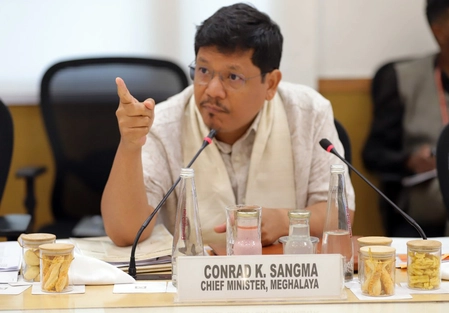
Climate change is no longer a challenge of the future; it is our present reality, as stated by Sangma. The effects of climate change are being felt globally, impacting weather patterns, sea levels, and ecosystems. This phenomenon is not just an environmental issue but also a pressing socio-economic challenge that affects livelihoods, food security, and public health. The increasing frequency and intensity of natural disasters, such as floods, droughts, and hurricanes, serve as a stark reminder of the urgent need to address climate change.
Sangma emphasizes that immediate action is required to mitigate the consequences of climate change. This includes transitioning to renewable energy sources, implementing sustainable agricultural practices, and promoting conservation efforts. Governments, businesses, and individuals must work collaboratively to reduce greenhouse gas emissions and protect our natural resources. The responsibility lies not only with policymakers but also with communities and individuals to adopt more sustainable lifestyles.
Furthermore, the impact of climate change disproportionately affects vulnerable populations, particularly in developing countries. These communities often lack the resources and infrastructure to adapt to changing climatic conditions, making them more susceptible to the adverse effects of climate change. It is essential to prioritize support for these populations, ensuring they have access to the tools and resources needed to build resilience against climate-related challenges.
In conclusion, Sangma’s statement highlights the urgency of addressing climate change as a current issue that demands immediate action. The time for discussions and debates has passed; now is the moment for decisive actions that can lead to a sustainable future. By recognizing climate change as a pressing reality, we can mobilize efforts to protect our planet and secure a better quality of life for current and future generations.


