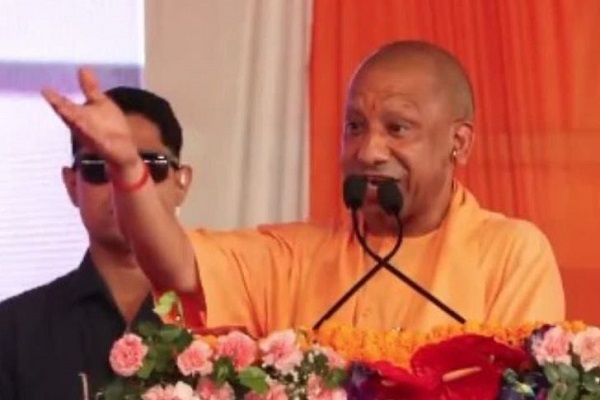
In a recent statement, Uttar Pradesh Chief Minister Yogi Adityanath extended a piece of advice to the leader of the Samajwadi Party, Akhilesh Yadav. He suggested that Yadav should visit the revered site of Ramlala, a deity significant in Hinduism, to seek wisdom and guidance. This recommendation comes in the context of ongoing political discourse and rivalry between the two leaders. Yogi Adityanath, known for his strong Hindu nationalist stance, emphasized the importance of spiritual experiences in shaping one’s perspective and decision-making abilities.
During his comments, CM Yogi highlighted that a visit to Ramlala could offer Akhilesh Yadav a fresh outlook on both personal and political matters. He implied that spiritual reflection often leads to greater understanding and clarity. By encouraging Yadav to engage in this spiritual practice, Yogi Adityanath was not only promoting religious sentiments but also subtly suggesting that a deeper connection with one’s beliefs could influence political actions positively. This advice can be interpreted as a call for introspection amidst the competitive atmosphere of Uttar Pradesh’s political landscape.
The underlying message of Yogi Adityanath’s advice resonates beyond mere political rivalry. It reflects a broader cultural belief in the transformative power of faith and spirituality. Many people in India see pilgrimages and visits to holy sites as opportunities for renewal and enlightenment. By advocating for such an experience, Yogi Adityanath is appealing to a shared cultural ethos that values spirituality as a means to navigate life’s complexities, including political challenges. In essence, his suggestion serves not only as a personal recommendation to Akhilesh Yadav but also as a reminder of the significant role that spirituality plays in the lives of many Indians, especially in the context of leadership and governance.