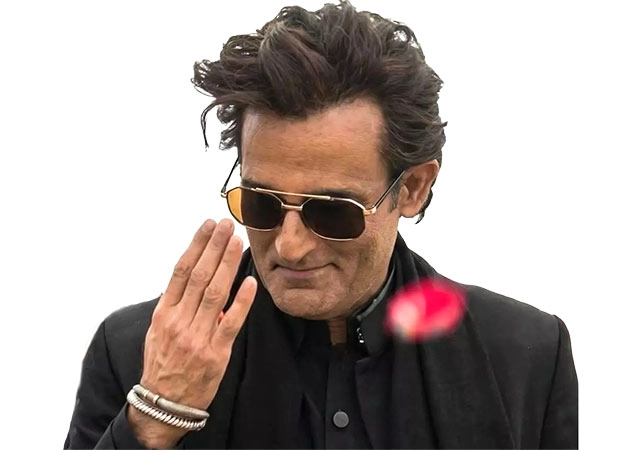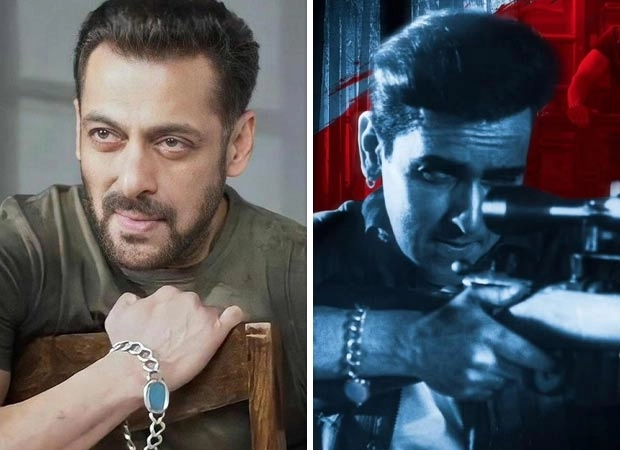
In a recent controversy surrounding the Bollywood film industry, director Kala Hiran has publicly responded to a legal notice issued by Salman Khan. The notice alleges that Hiran’s upcoming project bears striking similarities to Khan’s previous works. This situation has sparked significant media attention, as Khan is one of the most prominent figures in Indian cinema, often regarded as a superstar. However, Hiran has firmly defended his creative vision, asserting that Khan is not infallible and that his influence should not dictate the artistic direction of other filmmakers.
Hiran’s statement reflects a growing sentiment among some filmmakers who believe that originality is vital in the industry. The director emphasized that he is committed to his narrative style and that his work should not be overshadowed by the reputation of established stars. By stating, “Salman Khan isn’t God, he can’t stop me,” Hiran highlights the importance of artistic freedom and the need for new voices in cinema. His remarks suggest a desire to break free from the constraints often imposed by influential figures in the industry.
As the legal dispute unfolds, it raises questions about the balance between inspiration and imitation in filmmaking. The line between homage and plagiarism can often be blurred, leading to conflicts among creators. Hiran’s defiance may resonate with other filmmakers who have faced similar challenges, encouraging them to stand up for their artistic integrity. The outcome of this situation could potentially influence how filmmakers approach their projects and the extent to which they feel free to explore themes and styles that may echo previous works.
In an industry that thrives on stories and narratives, the clash between established norms and emerging voices is an ongoing dialogue. Hiran’s response is not just about defending his film but also about advocating for the creative spirit that drives cinema forward. As the legal proceedings continue, audiences will be watching closely to see how this situation unfolds and what it means for the future of filmmaking in India.