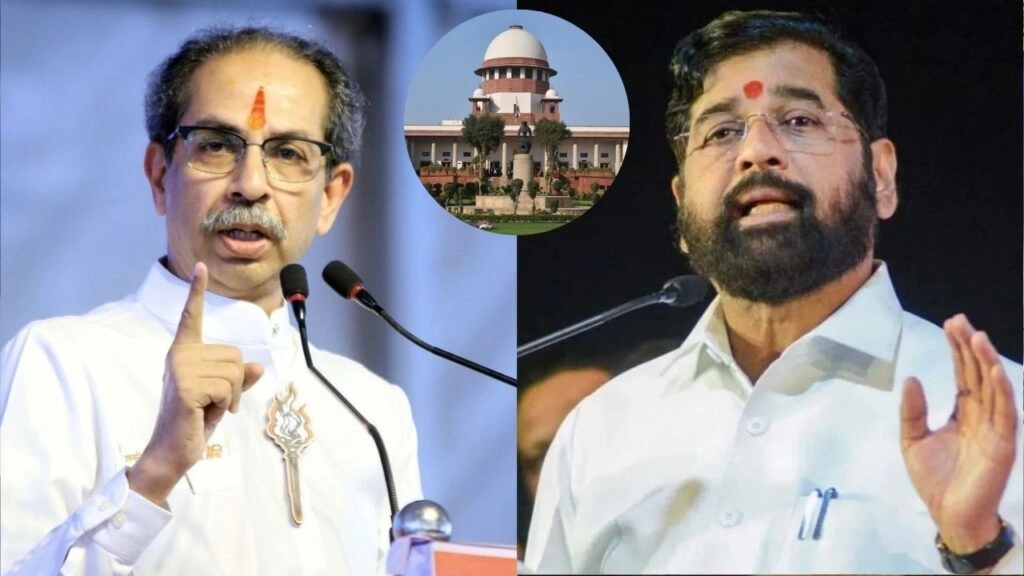
The recent split in the Shiv Sena party has sent shockwaves through Maharashtra’s political landscape, raising questions about the future of governance in the state. This division, which has its roots in ideological differences and power struggles, has left many wondering about the implications for both the party and the state’s political dynamics. With the Shiv Sena historically being a significant player in Maharashtra politics, the repercussions of this split are likely to be felt across various levels of governance and party affiliation.
As factions within the Shiv Sena vie for control and influence, the state’s political climate is becoming increasingly unstable. The split has not only fragmented the party but has also opened the door for other political entities to capitalize on the disarray. Opposition parties are keenly observing the developments, ready to seize any opportunity to strengthen their positions. This could lead to a realignment of political alliances and a shift in voter sentiment as citizens seek stability and effective governance in the face of uncertainty.
Moreover, the split raises critical questions about the future of regional politics in Maharashtra. The Shiv Sena has long been a voice for regional identity and issues, and its fragmentation poses a challenge to its ability to advocate for the interests of its constituents. As new leaders emerge from the factions, there is concern about whether they can maintain the party’s foundational principles or if they will prioritize personal ambitions over collective goals. The coming months will be crucial in determining how these dynamics unfold and what new political configurations might emerge in response to the changing landscape. Ultimately, the fate of the Shiv Sena and its influence in Maharashtra will hinge on its ability to navigate this tumultuous period and reconnect with its base amid the ongoing turmoil.