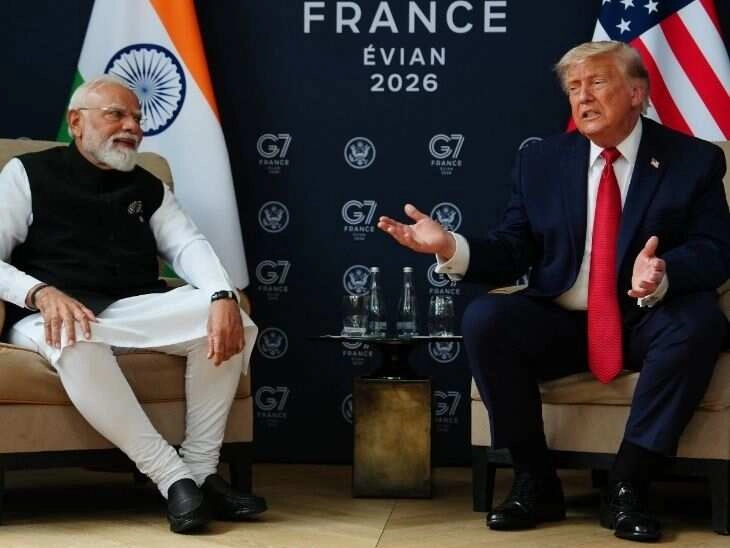
The Free Trade Agreement (FTA) between India and the United States has been a topic of considerable interest and speculation in recent years. Discussions surrounding this agreement gained momentum following the G7 summit, where leaders from the world’s major economies emphasized the importance of strengthening global trade ties. The potential FTA aims to deepen economic cooperation between India and the U.S., two of the largest democracies and economies in the world.
Recent updates indicate that both nations are actively engaging in negotiations, focusing on various sectors such as technology, agriculture, and services. The FTA could significantly enhance trade relations by reducing tariffs and promoting investment opportunities in both countries. Indian exporters are particularly keen on accessing the U.S. market, which is one of the largest consumers of goods and services globally. However, there are challenges to overcome, including regulatory standards and differing viewpoints on trade practices.
As the negotiations progress, both governments are expected to address key issues that could impact the success of the agreement. The Indian government is keen on ensuring that its domestic industries are protected while also promoting exports. On the other hand, the U.S. aims to gain greater access to the Indian market, particularly in sectors like pharmaceuticals and technology. The timeline for finalizing the FTA remains uncertain, but the commitment from both sides indicates a positive trajectory toward achieving a comprehensive trade agreement.
In conclusion, while the path to a Free Trade Agreement between India and the United States is fraught with challenges, the recent developments post-G7 suggest a renewed focus on enhancing bilateral trade. Stakeholders from both nations are hopeful that through continued dialogue and negotiation, a favorable agreement can be reached, fostering economic growth and collaboration between the two countries.