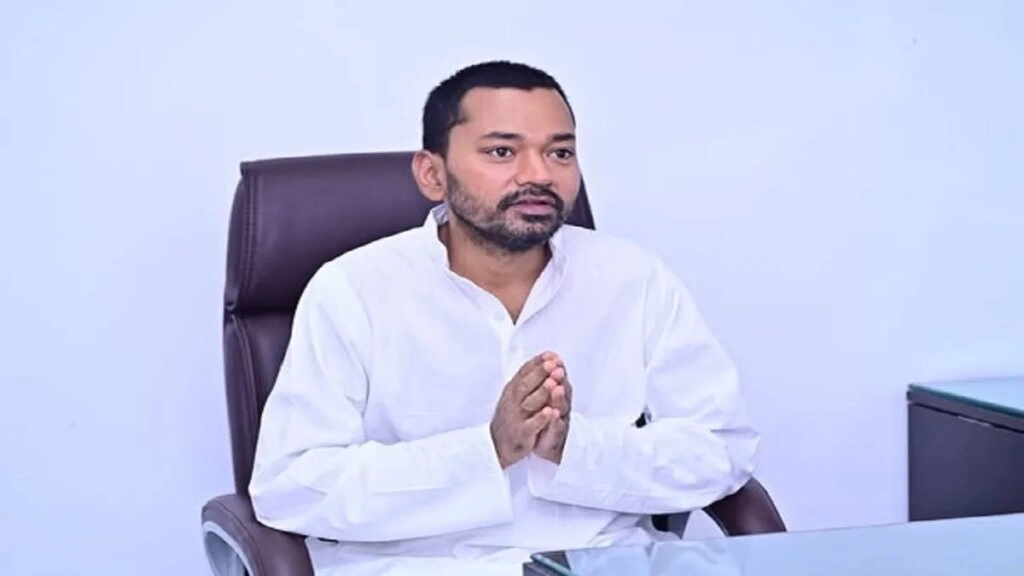
Nishant Kumar, a candidate in the recent elections, has come under scrutiny following revelations from his election affidavit, which states that he did not complete his engineering studies. This disclosure raises questions about the validity of his academic claims and the implications it may have for his candidacy. In a political landscape where educational qualifications often play a significant role in shaping public perception, Kumar’s incomplete education could impact his credibility among voters.
The affidavit, which is a formal declaration submitted by candidates to provide transparency regarding their background, includes various personal details, including educational qualifications, assets, and criminal records, if any. By indicating that he has not finished his engineering degree, Kumar may face challenges in convincing constituents of his capability to serve in a position of leadership, especially in a field that often values technical expertise and educational achievement.
Furthermore, this revelation could potentially influence the electoral dynamics in his constituency. Voters may perceive his lack of a completed degree as a sign of unpreparedness or a lack of commitment, which could sway their decision-making process. As the election approaches, Kumar will need to address this issue head-on, perhaps by emphasizing his other qualifications, experiences, or skills that demonstrate his ability to fulfill the responsibilities of the office he seeks.
In an age where educational qualifications are often scrutinized, this situation serves as a reminder of the importance of transparency and honesty in political campaigning. Candidates are expected to present a clear and accurate picture of their credentials, and any discrepancies can lead to significant repercussions. It remains to be seen how Nishant Kumar navigates this situation and whether he can regain the trust of the electorate in light of these revelations.