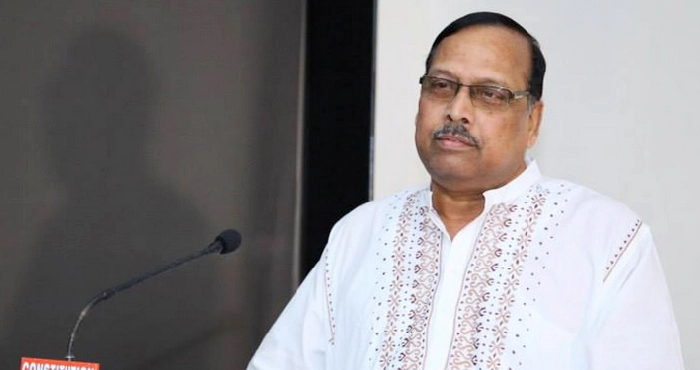
Sukhendu Sekhar Roy is a notable figure in Indian politics, particularly recognized for his affiliation with the Trinamool Congress (TMC). He recently made headlines by resigning from the Rajya Sabha, a significant move that has raised questions about his motivations and future plans. Known for his steadfast commitment to the party’s ideologies, Roy has earned a reputation as a “no-compromise man.” His departure from the upper house of Parliament reflects his dedication to the party’s grassroots activities and the ongoing political dynamics in West Bengal.
Roy’s political career has been marked by a series of significant contributions, particularly in advocating for the interests of his constituents. As a member of the TMC, he has been instrumental in shaping policies that resonate with the party’s vision of development and social justice. His resignation from the Rajya Sabha is seen as a strategic decision to focus more on the state-level politics, where he believes he can make a more substantial impact. This move underscores his belief in active engagement with the electorate and addressing local issues directly, rather than being confined to the parliamentary proceedings.
The decision to resign from such a prestigious position has not been without its challenges. It signifies a shift in priorities, emphasizing the need for political leaders to remain connected to the ground realities faced by the people. Sukhendu Sekhar Roy’s commitment to the Trinamool Congress and its grassroots initiatives suggests that he intends to play a more active role in state politics, potentially leading to a resurgence of the party’s influence in West Bengal. As political landscapes continue to evolve, his actions may serve as a catalyst for change within the party and the region, paving the way for new strategies to address the pressing issues faced by the electorate.