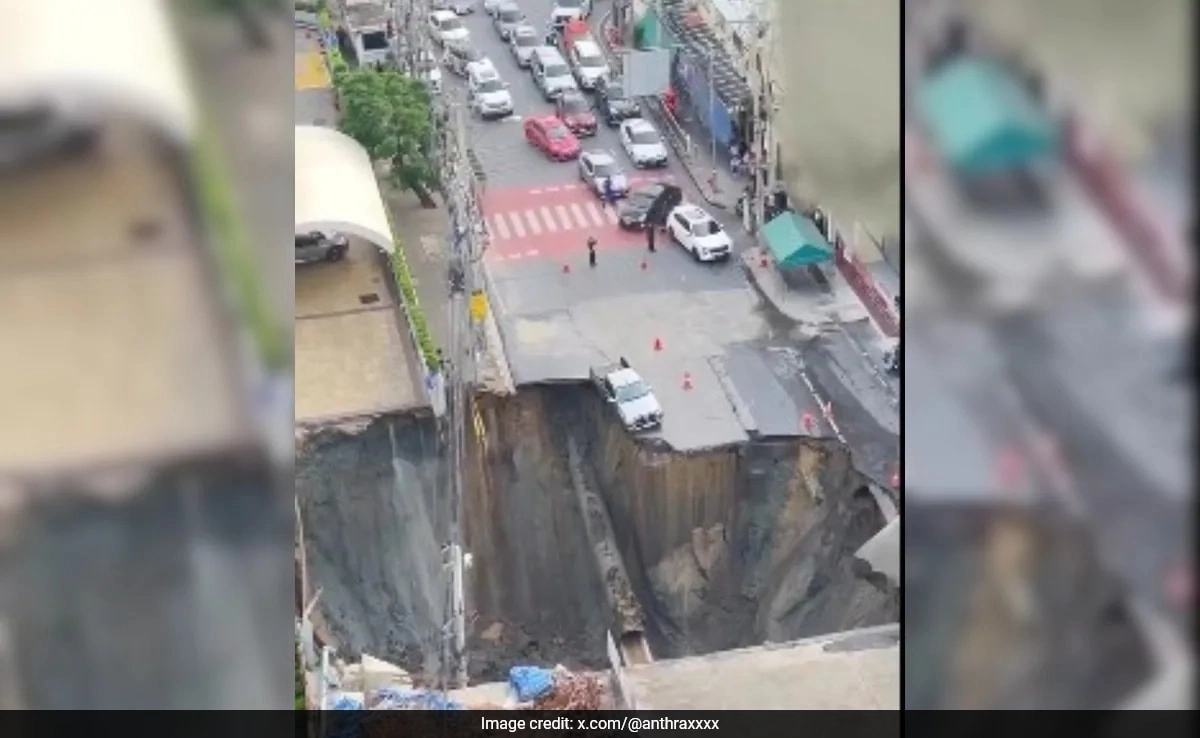
A devastating earthquake measuring 7.8 on the Richter scale struck the Philippines, resulting in a tragic loss of life and significant injuries. Reports indicate that at least 19 individuals have died due to the quake, while more than 200 have sustained injuries of varying degrees. The earthquake, one of the most powerful to hit the region in recent years, has caused widespread destruction, particularly in areas close to the epicenter. Buildings have collapsed, infrastructure has been damaged, and many communities are in dire need of assistance.
In the aftermath of the earthquake, rescue and relief operations are underway. Emergency response teams are working tirelessly to reach those affected, providing medical assistance, food, and shelter to those who have lost their homes. Local government authorities, alongside national agencies, are coordinating efforts to ensure that help reaches the most impacted areas as quickly as possible. The situation remains critical, with aftershocks reported, causing further anxiety among residents.
As the nation grapples with the immediate repercussions of this natural disaster, the resilience of the Filipino people is on display. Communities are coming together to support one another, and volunteers are stepping up to assist with relief efforts. International aid is also expected to play a crucial role in the recovery process, as various organizations and countries offer their support to help the Philippines in this time of need. The full extent of the damage is still being assessed, and the recovery will likely take considerable time and resources.