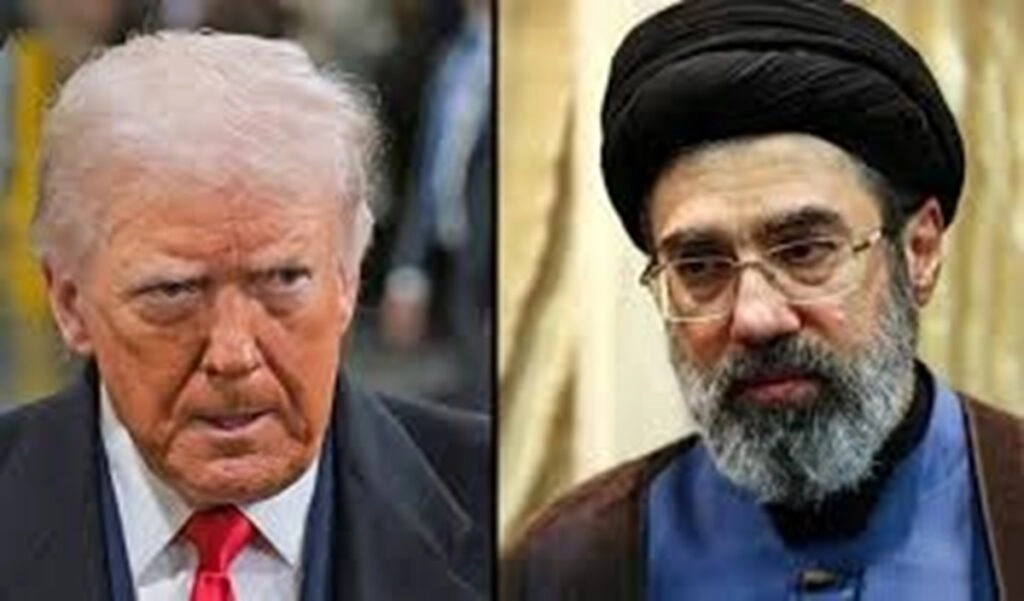
Uncertainty continues to surround the potential deal between the United States and Iran, as former President Donald Trump recently concluded a significant meeting at the White House without reaching a definitive decision. This gathering, which involved key advisors and policymakers, aimed to address the ongoing complexities of the negotiations surrounding Iran’s nuclear program. As tensions remain high, the lack of a clear resolution has left many speculating about the future of U.S.-Iran relations and the implications for global security.
During the meeting, various options were discussed, including the possibility of returning to the terms of the original nuclear agreement or pursuing a new framework altogether. Trump’s approach has traditionally been one of skepticism towards Iran, emphasizing a strategy that prioritizes maximum pressure on the regime. However, the dynamics of international diplomacy are intricate, and the ramifications of any decision could have far-reaching consequences, not only for the United States but also for its allies in the region.
As the situation develops, analysts are closely monitoring the Biden administration’s stance on the issue. There is a growing concern that without a clear and decisive plan, the risks of miscalculation could increase. The Iranian government continues to advance its nuclear capabilities, which raises alarm among Western nations. The uncertainty surrounding the U.S. position could embolden Iran, potentially destabilizing an already volatile Middle East. The coming weeks will be crucial as the administration navigates through these complex negotiations, aiming to strike a balance between national security interests and diplomatic engagement.