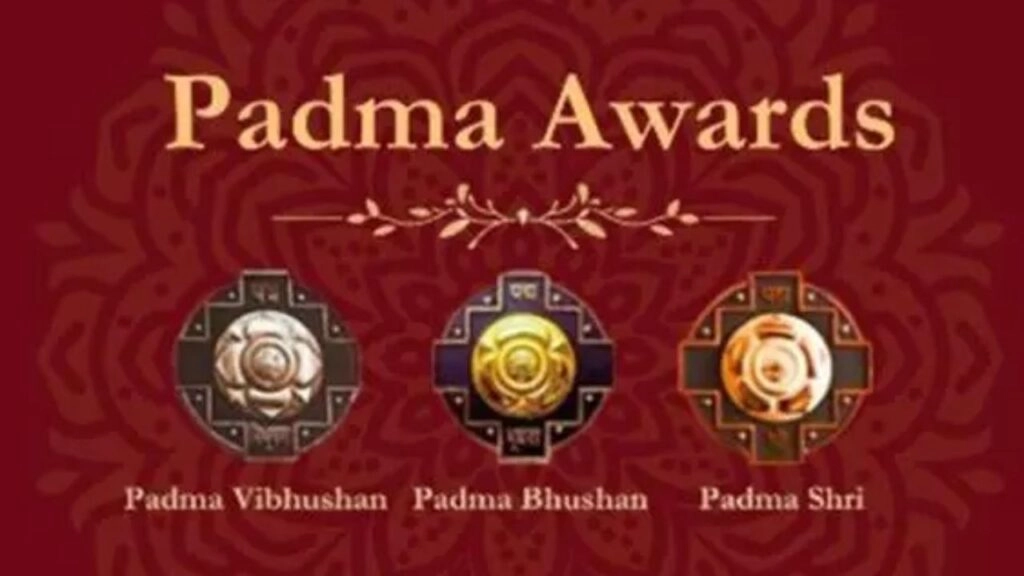
The Padma Awards, one of India’s highest civilian honors, have sparked significant discussion as the 2026 awards are approaching. Notably, Tamil Nadu is set to receive a total of 13 Padma Awards, while West Bengal is expected to receive just 11. This disparity has raised eyebrows and led to debates about the fairness and transparency of the selection process. Observers contend that such a distribution of awards may reflect the central government’s favoritism towards certain states, particularly ahead of five upcoming state elections. This suggests that political considerations might be influencing the decision-making process regarding the awards.
Critics argue that the lopsided allocation of Padma Awards could be seen as an attempt to curry favor with voters in Tamil Nadu, where the ruling party may want to solidify its support. On the other hand, West Bengal, which has a different political regime, appears to be receiving fewer awards, raising questions about whether the central government is strategically sidelining this region. The timing of the awards announcement, right before the elections, adds another layer of complexity to the situation, leading many to speculate about the motivations behind the central government’s actions.
The Padma Awards are intended to honor exceptional individuals across various fields, including art, literature, social work, and public service. Therefore, the perceived inequity in the distribution of these prestigious honors could undermine the integrity of the awards. Many believe that every state and its deserving candidates should receive equal recognition, regardless of the political landscape. As the awards approach, it is crucial for the selection committee to ensure that the process remains unbiased and transparent, allowing for a fair representation of talent from all regions of India. The discourse surrounding the Padma Awards serves as a reminder of the intricate relationship between culture, politics, and recognition in a diverse nation like India.