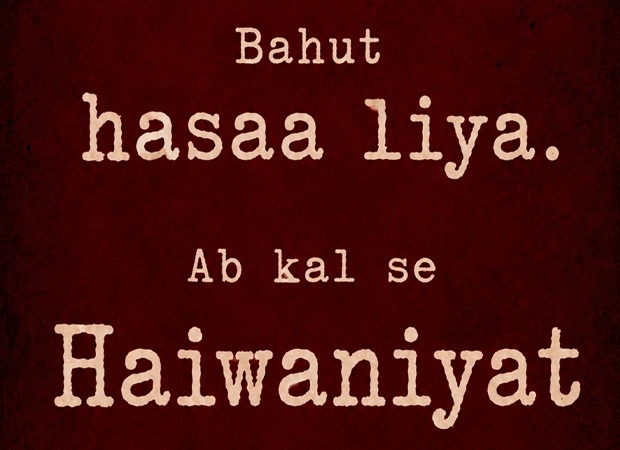
The recent controversy surrounding the film “Don 3” has ignited significant debate within the Indian film industry, particularly following a directive issued by the Federation of Western India Cine Employees (FWICE) against actor Ranveer Singh. Renowned filmmaker Ram Gopal Varma has publicly criticized this directive, labeling it a “kangaroo court” decision. His remarks have added fuel to the fire, suggesting that the FWICE’s non-cooperation stance is not only unjustified but also detrimental to the industry’s reputation. Varma’s comments highlight the ongoing tensions between various factions within Bollywood and the implications of such actions on creative expression.
The FWICE’s directive is seen by some as an attempt to regulate industry behavior, yet Varma argues that it represents a significant public relations disaster. He contends that the decision undermines the collaborative spirit that is essential in the film industry. By imposing restrictions on a prominent actor like Singh, the FWICE risks alienating not just the actor but also the audience, who may perceive this move as an infringement on artistic freedom. Varma’s critique emphasizes the need for a more supportive and understanding approach within the industry, especially when it comes to creative endeavors like “Don 3.”
Moreover, the controversy reflects broader issues in the film industry, including the balance of power among various stakeholders. The fallout from this directive raises questions about how organizations like the FWICE navigate their responsibilities in representing the interests of their members while fostering an environment conducive to artistic innovation. As Varma continues to voice his dissent, it is clear that the conversation surrounding “Don 3” and the FWICE’s actions is far from over, with many in the industry watching closely to see how it will unfold. The implications for actors, filmmakers, and the industry at large could be profound, influencing future collaborations and the creative landscape of Bollywood.