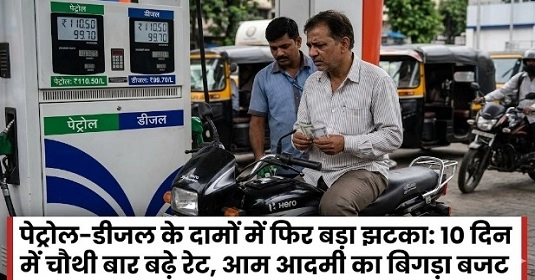
In a surprising turn of events, petrol and diesel prices have once again experienced a significant increase, marking the fourth rise in just ten days. This series of price hikes has left many consumers feeling the pinch, as the cost of fuel continues to climb, disrupting household budgets and daily expenses. For the average person, this surge in fuel prices can have a ripple effect, impacting everything from transportation costs to the prices of essential goods and services.
The latest adjustments in fuel rates have stirred concerns among the public, particularly for those already struggling with rising living costs. As fuel is a crucial component of the economy, its price directly influences the cost of goods and services across various sectors. The increase in petrol and diesel prices can lead to higher transportation costs for businesses, which may, in turn, pass those costs onto consumers. This creates a cycle of inflation that affects everyone, especially those in lower-income brackets who may already be facing financial challenges.
With the recent hike in prices, many are calling for greater transparency and accountability from the authorities responsible for regulating fuel rates. Consumers are eager to understand the factors driving these price increases, including international oil prices, taxes, and government policies. As the situation unfolds, it remains to be seen how long this trend will continue and what measures, if any, will be taken to alleviate the financial burden on the common man. The ongoing fluctuations in fuel prices serve as a stark reminder of the broader economic challenges that many are currently facing, highlighting the need for effective solutions to stabilize costs and support consumers during these turbulent times.