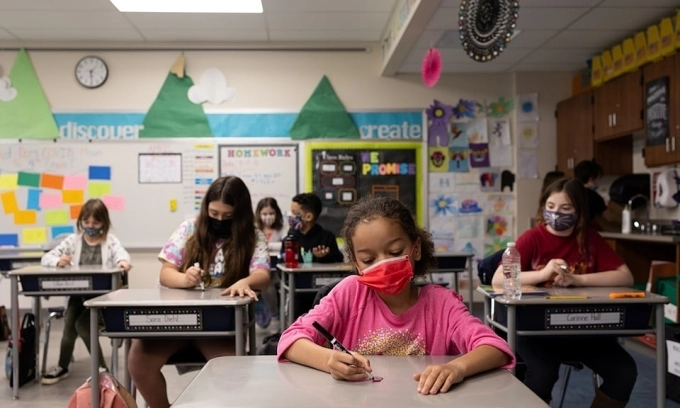
American students are experiencing a significant decline in their performance in both math and reading over the past decade. This downward trend raises serious concerns among educators, parents, and policymakers alike, as it suggests that many students are not acquiring the fundamental skills necessary for academic success and future opportunities. Various studies indicate that this decline is not just a temporary setback but part of a broader, ongoing issue that has been exacerbated by factors such as the COVID-19 pandemic, which disrupted learning environments and further widened existing inequalities.
The implications of this decline are profound. Proficient math and reading skills are crucial not only for academic achievement but also for critical thinking and problem-solving abilities that are essential in today’s increasingly complex world. Students who struggle in these areas may find it difficult to pursue higher education or secure well-paying jobs, ultimately affecting their long-term economic prospects. Furthermore, the gap between students from different socioeconomic backgrounds has widened, with disadvantaged students often facing the steepest declines. This reality underscores the urgent need for targeted interventions and resources to support these students and help them regain lost ground.
In response to this alarming trend, educational institutions and policymakers are exploring various strategies to improve student outcomes. This includes investing in early childhood education, enhancing teacher training, and integrating technology into the classroom. Additionally, there is a growing emphasis on creating engaging and relevant curricula that resonate with students’ interests and experiences. By fostering a supportive learning environment and addressing the root causes of this decline, there is hope that American students can recover and achieve the proficiency levels needed to thrive in a competitive global landscape.