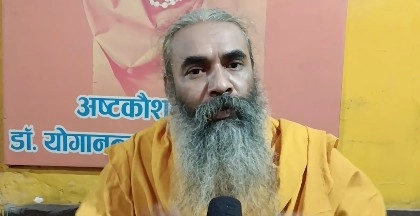
The recent controversy surrounding the prayers in public spaces has ignited significant discourse in Indian society, particularly following statements made by Chief Minister Yogi Adityanath. His remarks have been met with approval from the saint community, who view them as a validation of their longstanding concerns regarding the conduct of religious practices in public areas. The CM’s emphasis on maintaining public order and harmony has resonated positively with many in the spiritual community, who believe that such measures are essential to uphold the sanctity of religious practices without infringing on the rights of others.
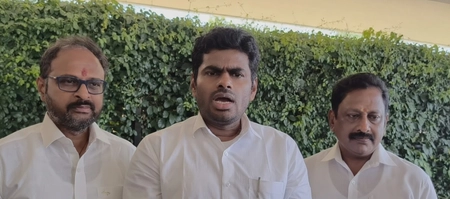
On the flip side, the Communist Party of India (Marxist) has criticized the Chief Minister’s stance, labeling it as indicative of a dual policy. They argue that while the CM promotes certain religious practices, he fails to address the broader implications and the need for secular governance that respects all beliefs equally. This dichotomy has raised questions about the commitment to secularism in the state, with critics asserting that selective endorsement of religious practices undermines the principles of equality and justice. The CPI(M) contends that such policies may exacerbate communal tensions and undermine the fabric of a diverse society.
The ongoing debate highlights the complexities of managing religious practices in a country as diverse as India, where multiple faiths coexist. While the saint community welcomes the government’s support, concerns about the potential for discrimination and favoritism remain palpable. It is crucial for the government to navigate these sensitive issues carefully, ensuring that all religious groups feel respected and valued, while maintaining public order and social harmony. The discussions surrounding this issue will likely continue to evolve as various stakeholders voice their opinions and concerns regarding the intersection of religion and governance in contemporary India.