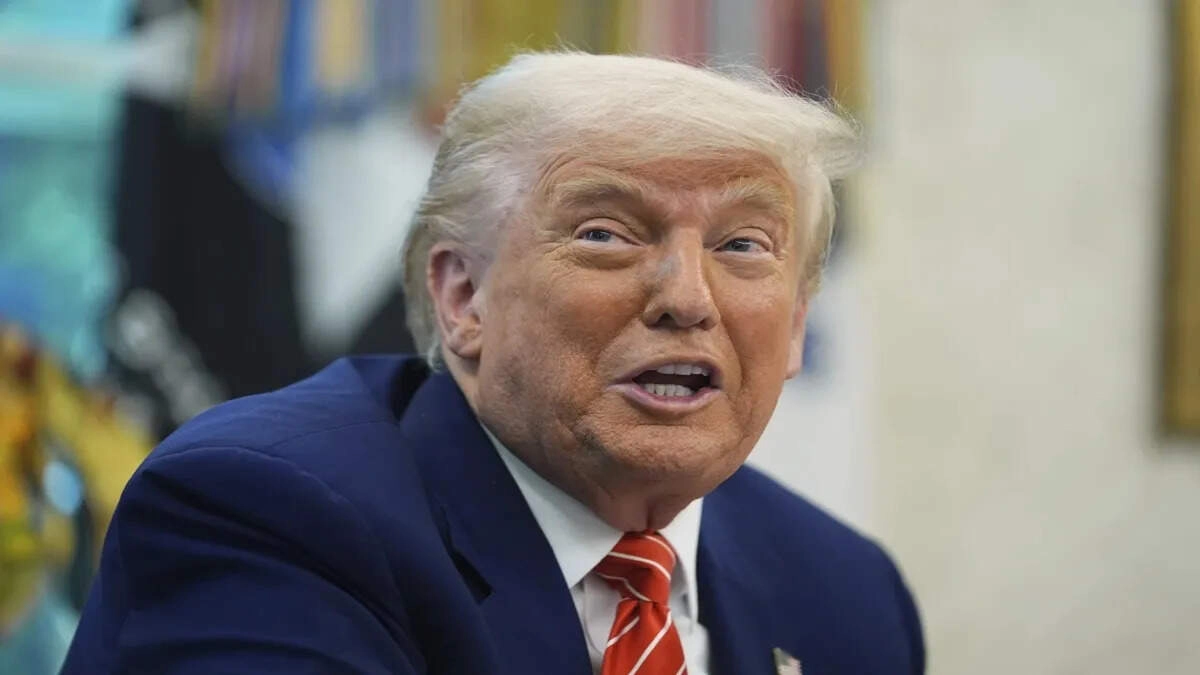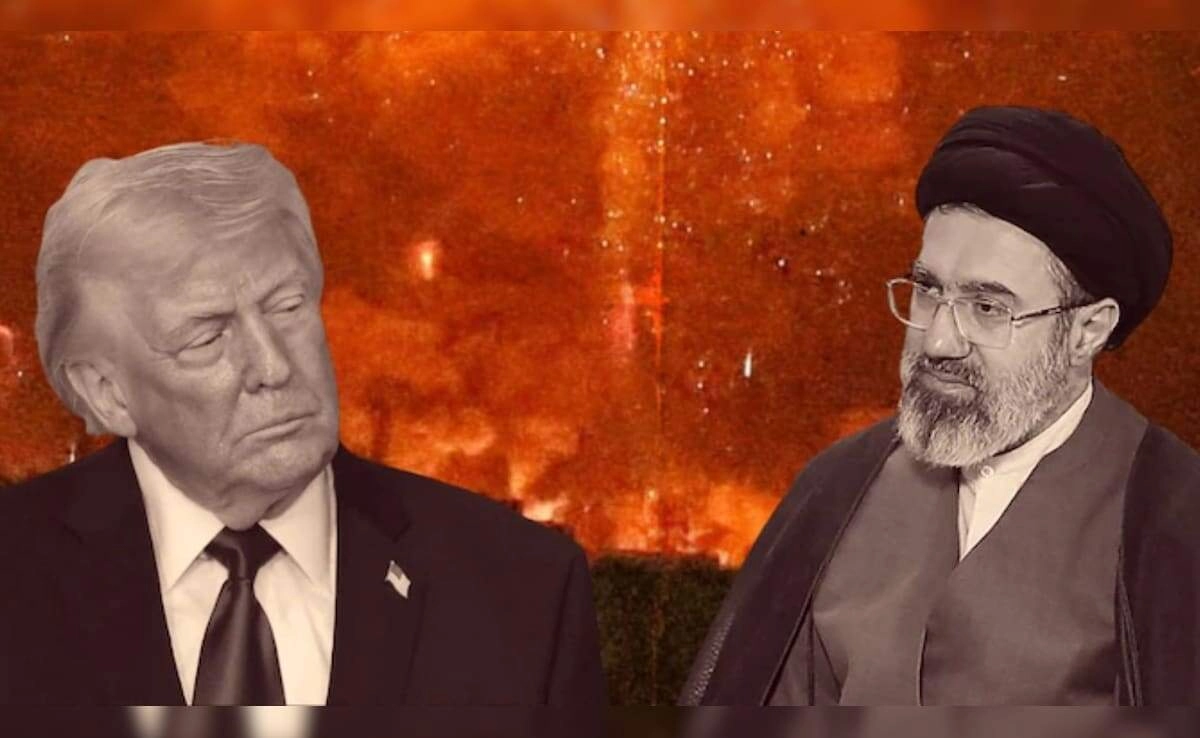
In recent developments regarding Iran-US relations, former President Donald Trump revealed that he had called off a military strike against Iran at the last moment. This decision came after a series of escalating tensions between the two nations, particularly following Iran’s actions in the region that were perceived as threatening to U.S. interests. Trump indicated that he had opted for restraint, believing that diplomatic efforts were still a viable path forward. However, he also made it clear that if negotiations were to fail, the U.S. military would be prepared for a significant operation against Iran.
The backdrop of this situation is a complex history of animosity and conflict between the U.S. and Iran, characterized by a series of sanctions, military confrontations, and political maneuvers. Trump’s administration had previously taken a hard stance against Iran, withdrawing from the nuclear deal in 2018 and reimposing strict sanctions. The tension escalated dramatically in the wake of various incidents, including attacks on oil tankers and military installations in the region, further complicating the diplomatic landscape.
Trump’s decision to hold off on the strike reflects a nuanced approach to foreign policy, balancing the need for military readiness with the pursuit of dialogue. He emphasized that the U.S. would not shy away from taking decisive action if necessary, suggesting that the military had plans in place for a substantial operation should the situation demand it. This dual strategy of diplomacy paired with military preparedness indicates a broader understanding of the complexities involved in dealing with Iran. The international community is closely monitoring these developments, as they have significant implications not only for U.S.-Iran relations but also for stability in the Middle East.