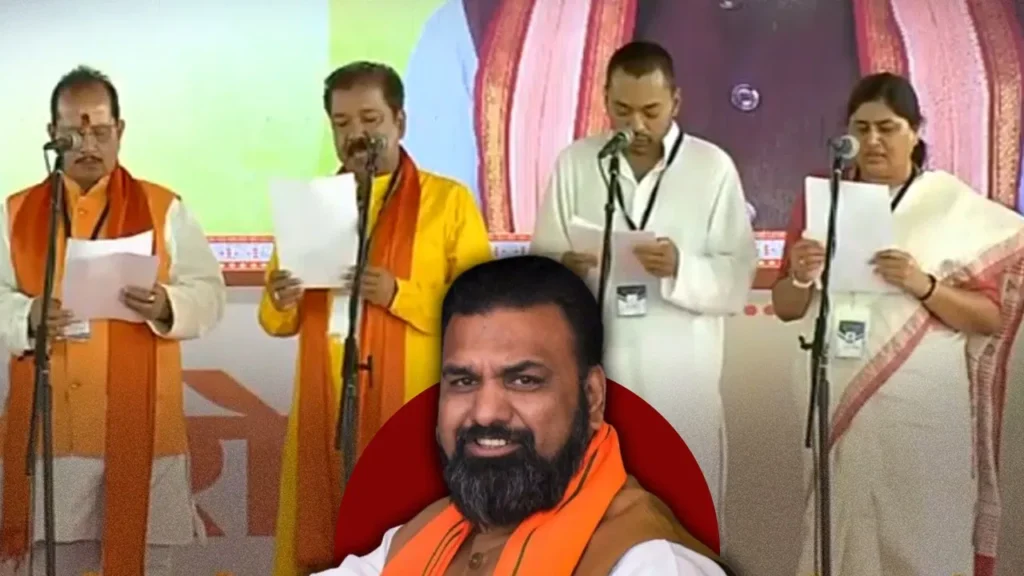
The recent expansion of the Bihar Cabinet, often referred to as ‘Samrat Sarkar,’ has been characterized by a strategic focus on caste dynamics within the state’s political landscape. This development is crucial in understanding how the government is attempting to balance representation among various social groups, especially in a region where caste plays a significant role in electoral politics. The reshuffling and appointments of ministers are not merely administrative but are deeply intertwined with the historical context of caste relations in Bihar.
In this latest cabinet formation, a deliberate effort has been made to ensure that various caste groups are represented adequately. This approach reflects an understanding that in Bihar, the support of different social classes can be pivotal for political stability and electoral success. By analyzing the newly appointed ministers, one can observe a concerted effort to reflect the demographic diversity of the state. Various castes, including OBCs, SCs, and STs, have been factored into the cabinet selection, aiming to create a government that resonates with the aspirations and needs of a broader population.
Additionally, this cabinet expansion signifies the ruling party’s acknowledgment of the importance of inclusive governance. With Bihar’s complex social fabric, the representation of multiple castes is essential for fostering a sense of belonging and participation among the citizens. Each minister’s caste background not only influences their political decisions but also affects the public perception of the government’s commitment to equitable representation. As a result, the cabinet expansion serves as a crucial step in navigating the intricate caste equations that define the political and social landscape of Bihar.