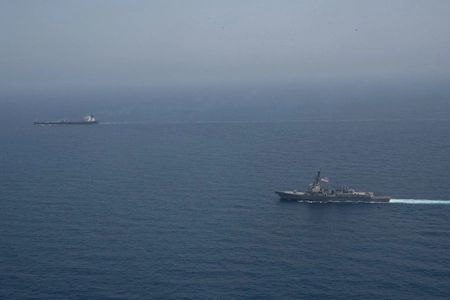
The U.S. military has stated that sanctions against Iran remain “fully in effect.” This assertion emphasizes the ongoing enforcement of measures aimed at curbing Iran’s activities, particularly concerning its nuclear program and regional influence. The sanctions have been a critical component of U.S. foreign policy aimed at addressing concerns over Iran’s potential to develop nuclear weapons and its role in supporting militant groups across the Middle East.
These sanctions include restrictions on Iran’s ability to engage in international trade, access financial markets, and utilize foreign investments. The U.S. government has maintained that these measures are essential for promoting regional stability and deterring Iran from pursuing aggressive actions that threaten its neighbors. The implications of these sanctions extend beyond economic ramifications; they also play a significant role in diplomatic relations with other countries, particularly those in Europe and the Middle East.
Despite the pressure from sanctions, Iran has continued to assert its sovereignty and pursue its strategic interests. The Iranian government has responded to the sanctions with a mix of defiance and negotiation, seeking to strengthen its alliances, particularly with nations that may be less inclined to adhere to U.S. policies. The situation remains complex, with various stakeholders involved, including international organizations and other countries that may have differing views on how to handle Iran’s ambitions.
As the geopolitical landscape evolves, the efficacy and consequences of these sanctions will likely continue to be a topic of debate among policymakers and analysts alike. The U.S. military’s confirmation that sanctions are still in full force serves as a reminder of the enduring tensions in the region and the challenges of achieving a lasting resolution to the issues surrounding Iran’s nuclear program and its broader influence in the Middle East.