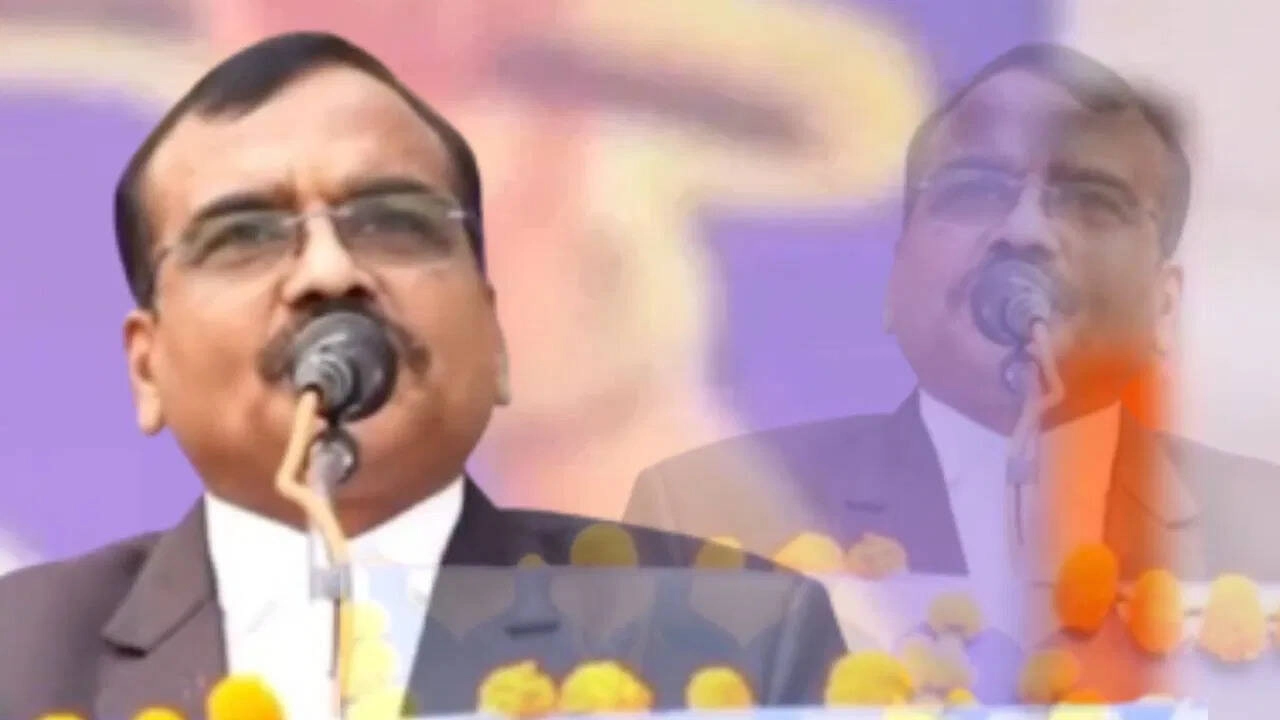
Naveen Kumar Jindal has accused the Trinamool Congress (TMC) of trying to incite communal violence through the actions of Humayun Kabir. He claims that the political party is deliberately stoking tensions within communities to further its own agenda. According to Jindal, such actions are detrimental not only to communal harmony but also to the overall fabric of society. He argues that by attempting to provoke discord, the TMC is undermining the very principles of unity and peace that are essential for the progress of the nation.
Jindal’s comments reflect a broader concern regarding the politicization of communal identities in India. He emphasizes that political parties should focus on fostering cooperation and understanding among different communities instead of igniting conflicts. In his view, the TMC’s strategy is a manifestation of a troubling trend where electoral gains are prioritized over social stability. He calls for greater accountability from political leaders, urging them to promote messages of inclusivity and tolerance rather than division.
The implications of such divisive tactics can be far-reaching, potentially leading to unrest and violence that can affect the lives of countless individuals. Jindal’s remarks serve as a reminder of the responsibility that political parties hold in shaping public discourse and maintaining peace. It is crucial for leaders to recognize the power of their words and actions and to use that influence to build bridges rather than walls. In a diverse nation like India, the need for harmony and mutual respect has never been more vital.