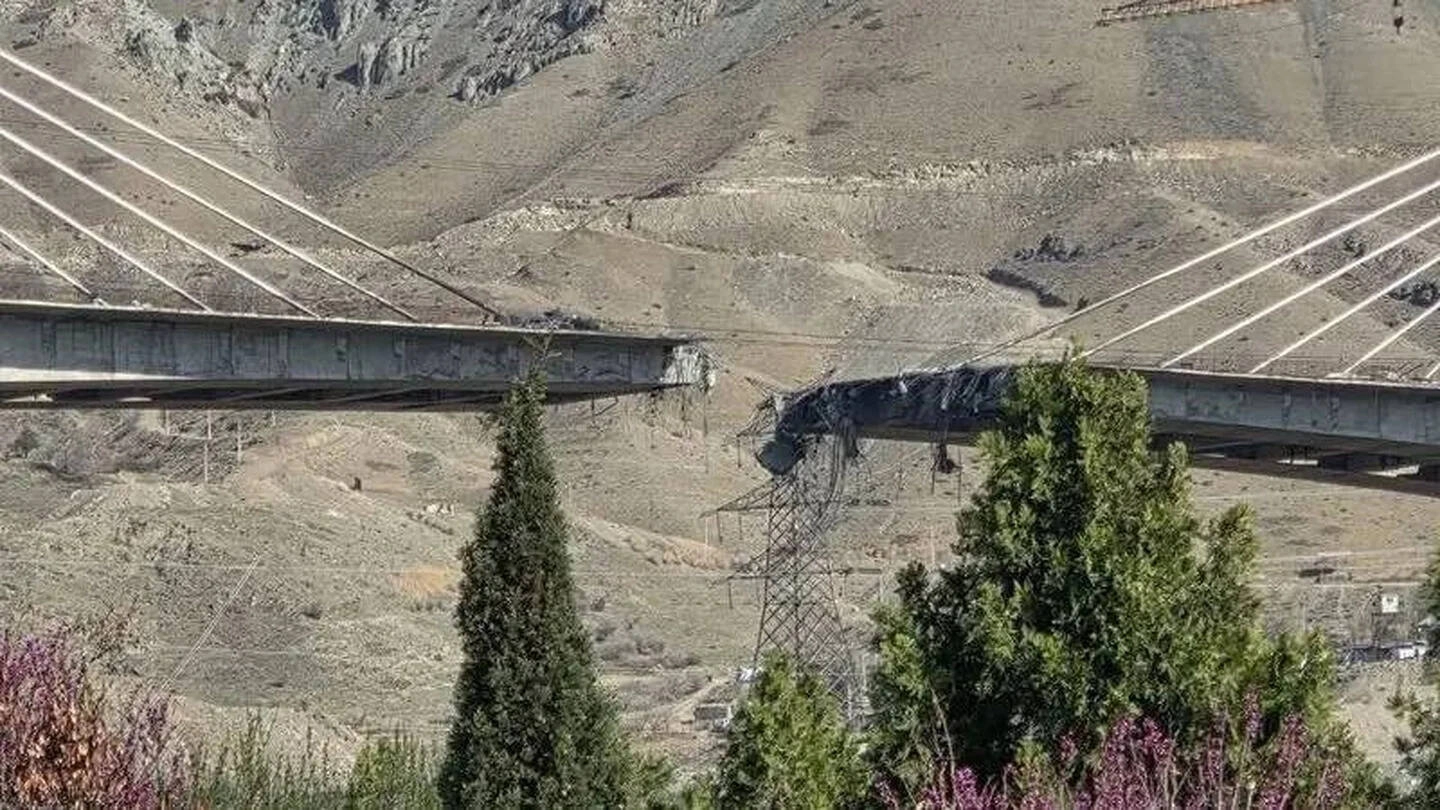
The Islamic Revolutionary Guard Corps (IRGC) of Iran has reportedly placed eight major bridges in Gulf countries on its hit list, a move that underscores the increasing tensions in the region. This development comes in the wake of recent attacks that have heightened fears of retaliation and escalation. The IRGC, which is a branch of Iran’s armed forces, has been vocal about its intent to strike back at perceived threats, and the targeting of key infrastructure in neighboring countries illustrates a shift towards more aggressive posturing.
The inclusion of these bridges in the hit list signifies a strategic approach by Iran, aiming to disrupt transportation and logistics in the Gulf area. Such actions could potentially have severe implications not only for regional stability but also for international shipping routes and economic activities. The bridges in question are critical links that facilitate movement between key cities and regions, making them vital for trade and military logistics.
In response to these developments, Gulf nations are likely to bolster their security measures and prepare for potential retaliatory strikes. The situation has raised alarm among allies of the Gulf states, including the United States, which has been monitoring Iran’s military activities closely. The IRGC’s threats could further complicate diplomatic efforts aimed at resolving ongoing tensions in the region, prompting calls for urgent dialogue to mitigate the risk of confrontation.
Overall, the IRGC’s actions reflect a broader trend of escalating hostilities in the Gulf, where geopolitical rivalries and historical grievances continue to fuel conflict. The targeting of infrastructure is a dangerous precedent that could lead to a cycle of retaliation, undermining any prospects for peace and stability. As the situation unfolds, the international community will be watching closely, hoping for a de-escalation of tensions and a return to diplomatic engagement.