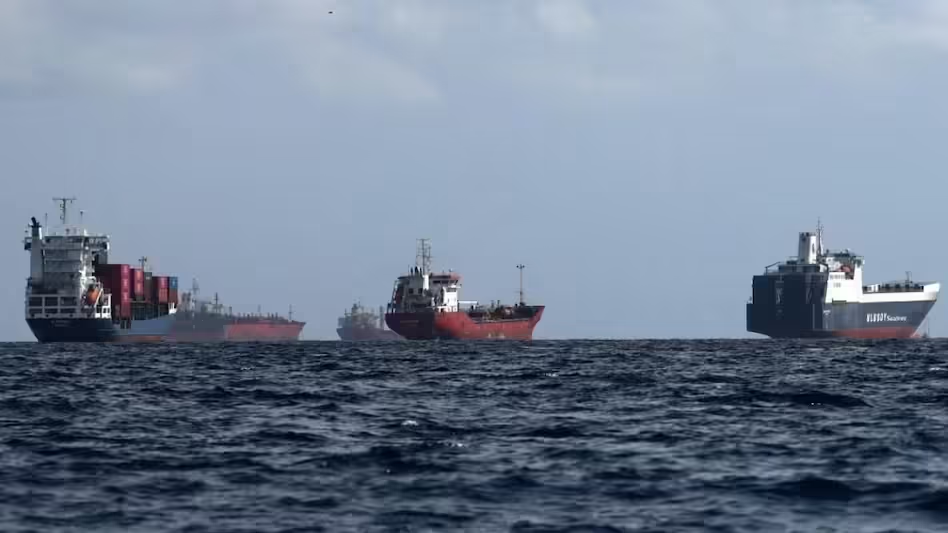
During times of conflict, Iran has issued a warning to China by blocking two Chinese vessels from passing through the strategically significant Strait of Hormuz. This move underscores the heightened tensions in the region and the critical role that the Strait plays in global trade and energy supply. The Strait of Hormuz is one of the world’s most crucial maritime chokepoints, through which a significant percentage of the world’s oil supply is transported. By preventing these Chinese ships from entering the strait, Iran is signaling its discontent and asserting its influence over this vital waterway.
The incident reflects the complex geopolitical dynamics at play in the Middle East, particularly amid ongoing military conflicts and shifting alliances. China’s growing presence in the region has raised concerns among various nations, including Iran, which may perceive Beijing’s expanding influence as a threat to its own interests. The action taken by Iran could be seen as a strategic maneuver to remind China of its dependence on the stability of the strait for its energy needs.
Furthermore, this warning from Iran may also serve to strengthen its position in negotiations with other countries, showcasing its willingness to take decisive action in defense of its territorial claims. As tensions continue to rise, the international community will be closely monitoring the situation, as it has implications not only for regional security but also for global markets, particularly in the oil sector. The developments in the Strait of Hormuz will likely influence diplomatic relations and trade routes, making it a focal point of international attention in the coming weeks.