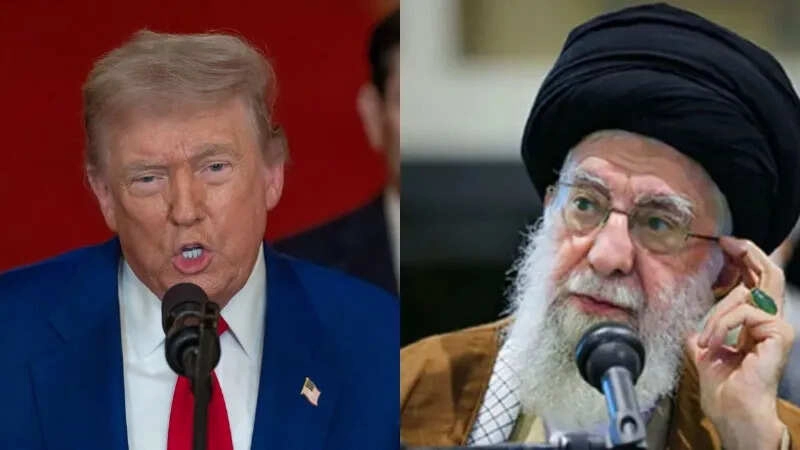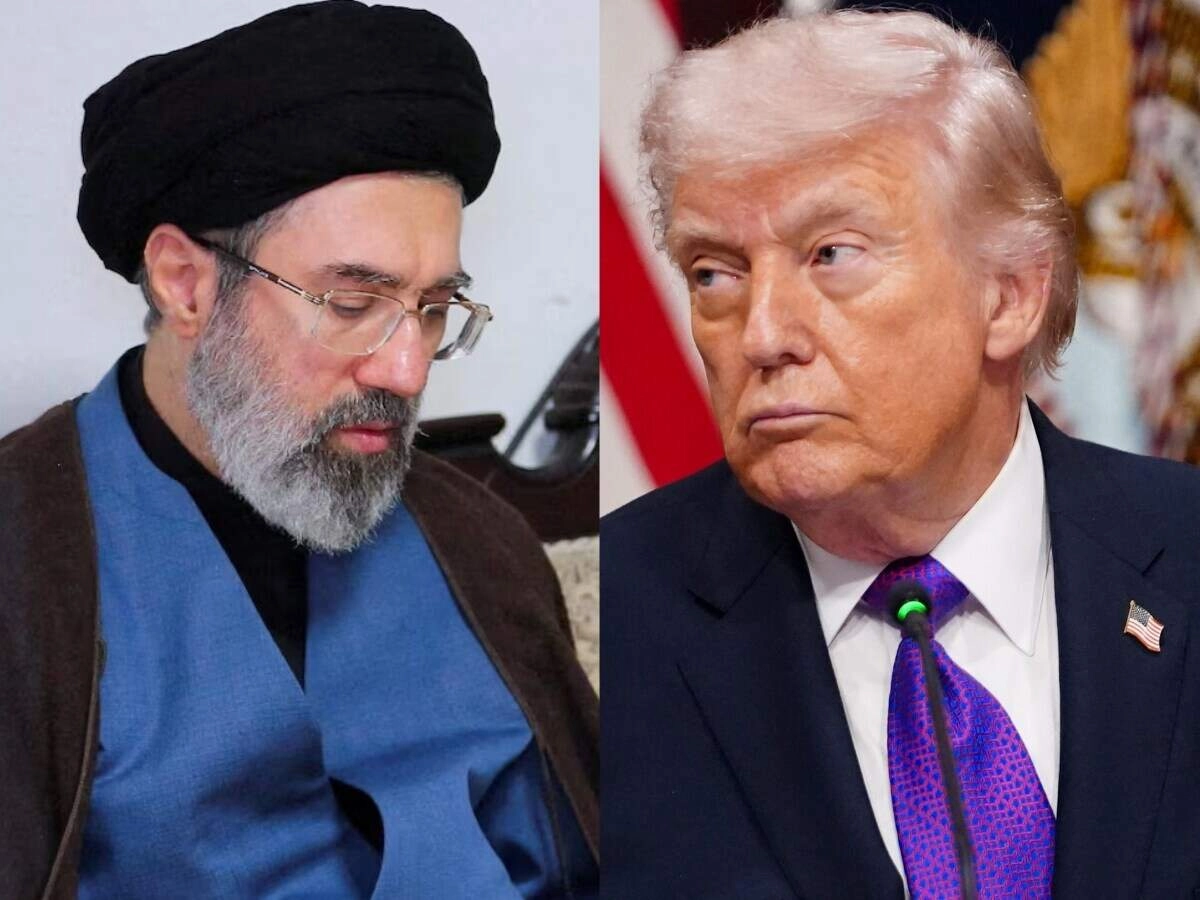
The ongoing tensions between the United States and Iran have seen a significant development recently, as the U.S. has given the green light for peace talks. This comes in light of America’s willingness to unlock $16 billion of funds that were previously frozen. The details of this potential deal are crucial, as they could pave the way for improved relations between the two nations, which have been strained for many years.
The frozen funds are primarily related to Iran’s oil sales that were heavily impacted by sanctions imposed by the U.S. over its nuclear program. By releasing these funds, the U.S. is signaling a possible shift in its approach to dealing with Iran, moving towards diplomacy rather than continued economic pressure. This could encourage Iran to engage in constructive dialogue and possibly return to negotiations regarding its nuclear activities and regional behaviors, areas of concern for the U.S. and its allies.
The implications of this deal are profound. If both sides can come to the negotiating table with a willingness to compromise, it may lead to a more stable Middle East. The release of funds could also have significant economic benefits for Iran, allowing it to address domestic issues that have been exacerbated by international isolation. However, the success of these peace talks will depend on the willingness of both parties to adhere to terms and trust each other—a challenge given the history of mistrust and hostility.
In summary, the potential unlocking of the $16 billion in frozen funds represents a pivotal moment in U.S.-Iran relations. As peace talks gain momentum, there is cautious optimism that this could lead to a new era of diplomacy and cooperation. However, the road ahead will require careful navigation of complex geopolitical dynamics and the management of both nations’ domestic pressures.