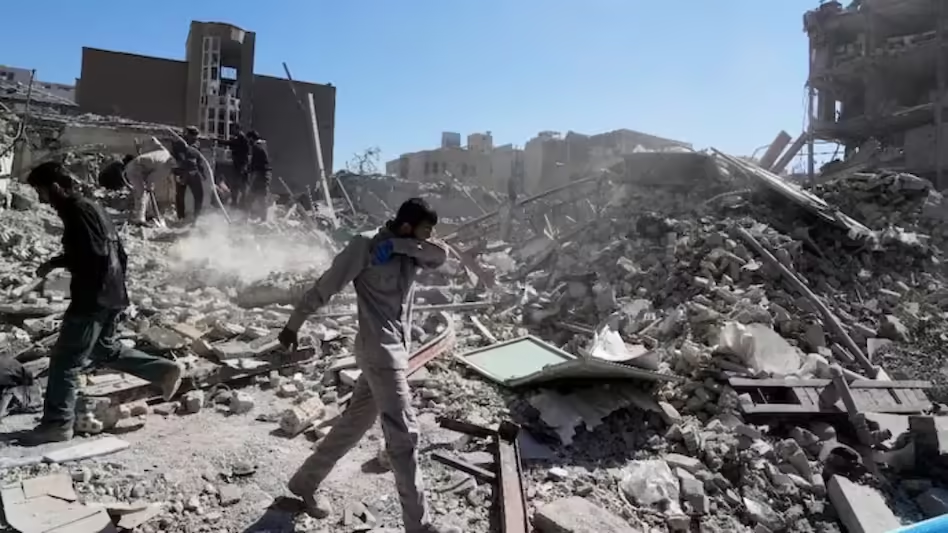
Middle East Alert: Iran has reported a tragic toll of 2,000 lives lost due to ongoing unrest and conflicts within the country. This devastating situation has sparked widespread concern and condemnation from various international observers. In the wake of these events, Iranian authorities have directed sharp criticisms towards the United States and Israel, accusing them of exacerbating the turmoil and destabilizing the region. The Iranian government asserts that foreign powers are meddling in its internal affairs, further inflaming tensions and contributing to the violence.
The Iranian leadership’s rhetoric reflects a broader narrative often seen in the region, where external influences are frequently blamed for domestic strife. The accusations against the U.S. and Israel not only serve to rally domestic support but also aim to deflect attention from internal issues that may be contributing to the unrest. This cycle of blame can create a more challenging environment for diplomacy and conflict resolution, as both sides become entrenched in their positions.
As the situation unfolds, the international community watches closely, concerned about the implications of the violence and the potential for regional instability. The loss of life is a stark reminder of the human cost of conflict, and many are calling for a peaceful resolution to the ongoing crisis. The Iranian government’s response to external criticism and its handling of the unrest will likely play a significant role in shaping the future of the region and its relations with other countries. The need for dialogue and understanding remains crucial in addressing the underlying issues that have led to this tragic loss of life.