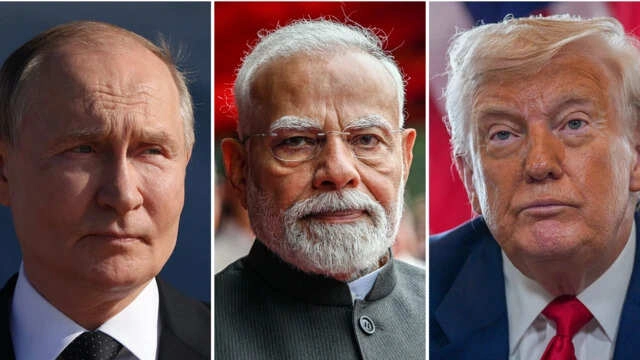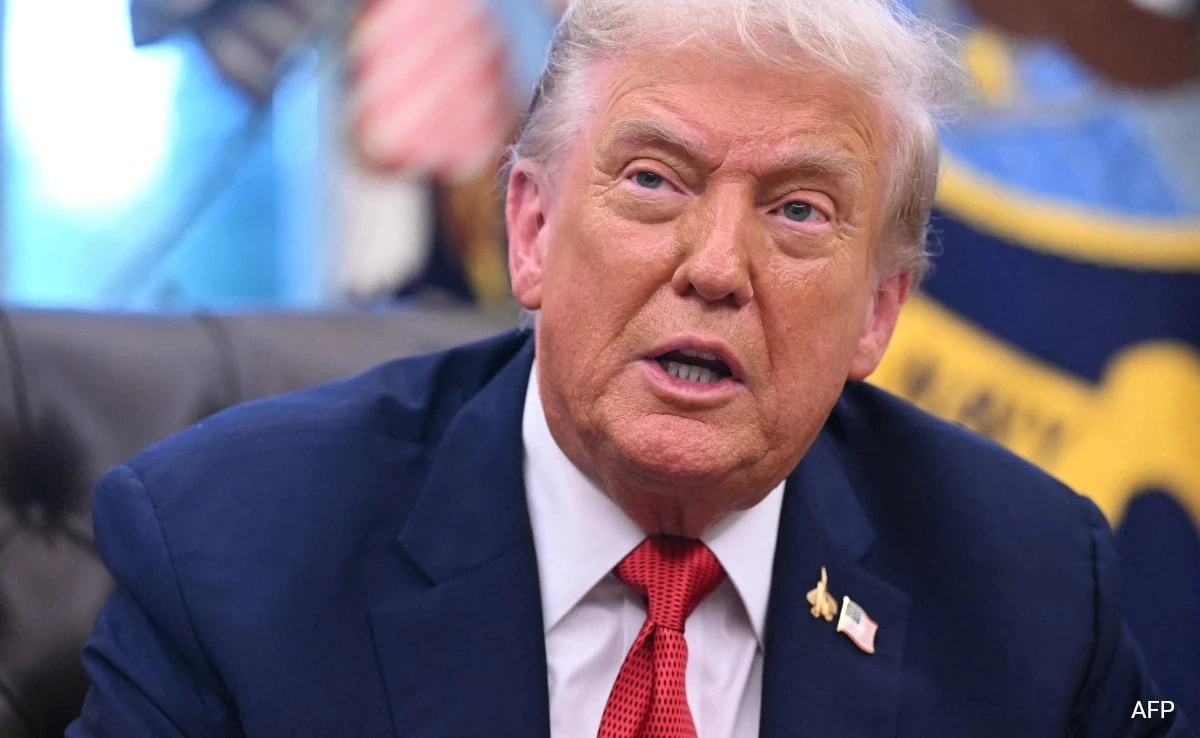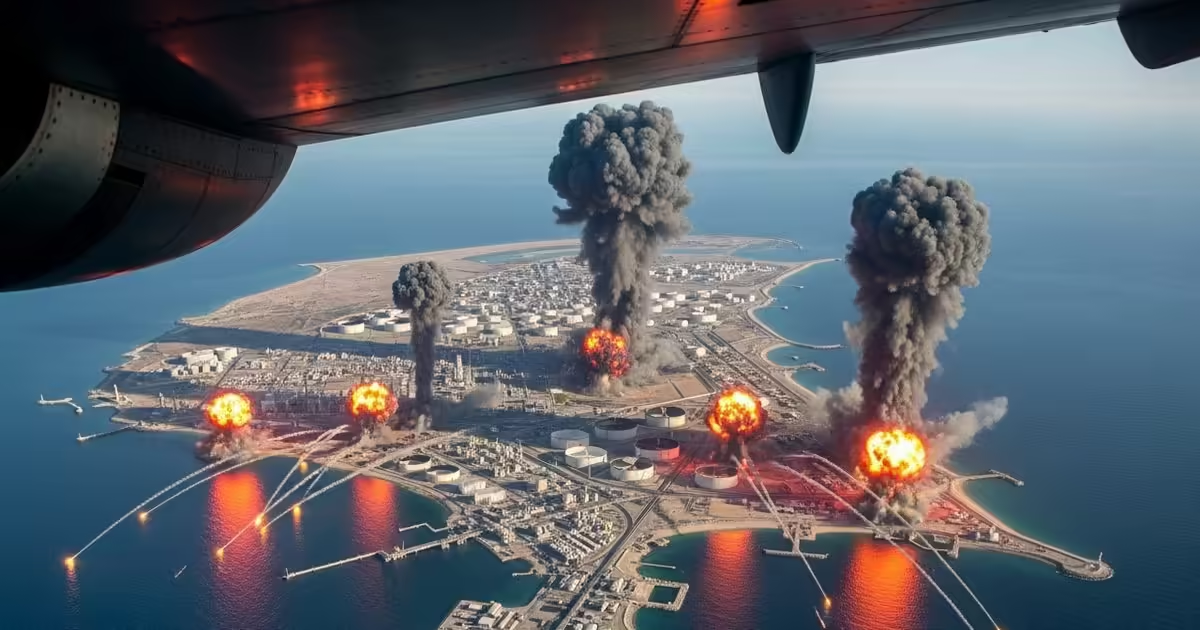
Kharg Island, located in the Persian Gulf, is known as a significant hub for oil exportation, supplying a substantial amount of crude oil to various countries around the world. Its strategic importance makes it a focal point in global energy markets. Recently, there has been increasing concern over the potential impact of U.S. foreign policy on the island, particularly under the leadership of former President Donald Trump. Reports suggest that Trump may have plans that could threaten the stability and operations of Kharg Island, raising alarms about the wider implications for global oil supply.
The threat to Kharg Island stems from the ongoing geopolitical tensions in the region, particularly between the United States and Iran. Trump’s administration had previously adopted a hardline stance towards Iran, including imposing sanctions that directly affect the country’s oil exports. If these policies were to escalate further, they could lead to military actions or intensified sanctions that might disrupt the operations on Kharg Island. Such actions could not only devastate the island’s oil infrastructure but also lead to significant fluctuations in global oil prices, affecting economies worldwide.
Moreover, the repercussions of destabilizing Kharg Island extend beyond mere economic concerns. The island is not just an oil export hub; it plays a crucial role in the energy security of many nations. Any disruption to the oil supply from Kharg Island could lead to energy shortages and increased tensions among countries that rely on this vital resource. In addition to the economic implications, the potential for military conflict in the region raises concerns about regional security and the well-being of the local population.
In conclusion, the fate of Kharg Island hangs in the balance amid the complex interplay of international relations and energy politics. As the world watches closely, the decisions made by the U.S. and its allies will undoubtedly have far-reaching consequences for the island and the global oil market. The potential devastation of such a critical resource underscores the importance of diplomacy and strategic planning in addressing the challenges posed by shifting geopolitical dynamics. The world must remain vigilant and engaged to ensure that the energy needs of nations are met without falling into the traps of conflict and instability.