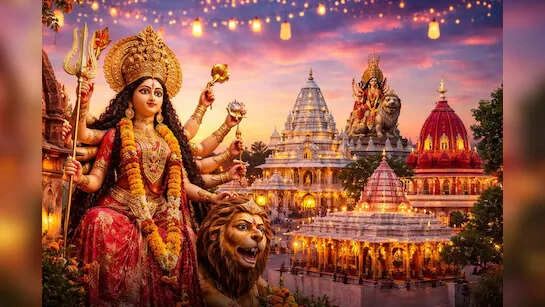
Navratri, one of the most revered festivals in India, celebrates the divine feminine energy and is dedicated to Goddess Durga. In 2026, devotees will have the opportunity to embark on a spiritual journey to seven renowned Shakti Peethas, each known for its unique significance and power. These sacred sites are believed to be places where the goddess’s energy is concentrated, and visiting them is thought to fulfill one’s wishes while imparting a sense of divine peace and tranquility.
Among the most prominent Shakti Peethas is the Kalighat Temple in Kolkata, West Bengal. This temple is dedicated to Goddess Kali and is a significant pilgrimage destination during Navratri. The atmosphere is charged with devotion, as thousands of devotees flock to seek blessings and immerse themselves in spiritual fervor. Another notable site is the Kamakhya Temple in Assam, which is famous for its unique rituals and powerful energy, attracting visitors from all over the country and beyond.
The journey also includes the Vaishno Devi Temple in Jammu and Kashmir, nestled in the hills, which is one of the most visited pilgrimage sites in India. The trek to the temple is not just a physical journey but also a spiritual one, where devotees often experience a profound sense of connection with the divine. Similarly, the Jwala Ji Temple in Himachal Pradesh, known for its eternal flame, symbolizes the goddess’s presence and is a must-visit for those seeking spiritual fulfillment during Navratri.
Other significant Shakti Peethas include the Mansa Devi Temple in Haridwar, known for its powerful manifestations, and the Chhinnamastika Temple in Jharkhand, recognized for its unique deity and rituals. Each of these temples offers a unique experience, allowing pilgrims to connect with the divine and find inner peace. As devotees navigate through these sacred sites, they are likely to feel an overwhelming sense of divine serenity and fulfillment of their innermost desires, making their Navratri celebration truly special.