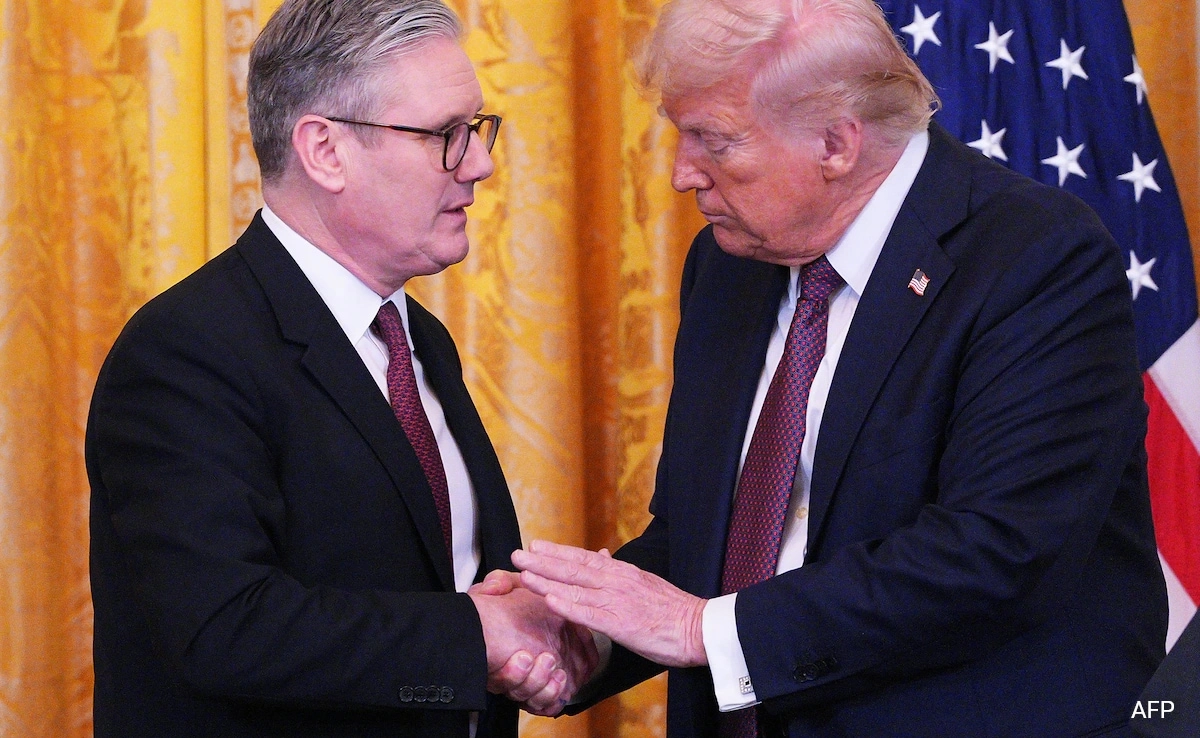
In a significant shift in global economic policy, the Prime Minister of the United Kingdom is poised to announce what has been described as the “End of Globalisation.” This declaration comes in the wake of escalating tensions in international trade, particularly highlighted by former U.S. President Donald Trump’s aggressive tariff policies. Trump’s administration adopted a protectionist stance, imposing tariffs on various imports, which has had ripple effects across global markets. As nations grapple with the implications of such a shift, the UK is re-evaluating its position and strategy in an increasingly fragmented global economy.
The UK’s anticipated announcement reflects a growing sentiment among many countries that the era of unrestricted global trade may be coming to a close. In recent years, we have witnessed a surge in economic nationalism, with countries prioritizing domestic industries and jobs over international cooperation. The Prime Minister’s declaration signals an acknowledgment of the challenges posed by this new economic landscape, where traditional models of globalization are being tested. The UK, once a staunch advocate of free trade, now finds itself at a crossroads, needing to balance its economic interests with the realities of a shifting geopolitical climate.
This move could have profound implications for the UK’s trade relationships and economic partnerships. As the government reconsiders its approach to international trade, businesses may need to adapt to a new reality where tariffs and trade barriers become more commonplace. The end of globalization, as suggested by the Prime Minister, could lead to a more localized economy, where supply chains are restructured to prioritize domestic production over international sourcing. This shift may also influence negotiations with trading partners, as the UK reassesses its commitments and seeks to forge new alliances that align with its updated economic strategy.
Furthermore, the implications of this declaration extend beyond trade. Economic globalization has been a driving force behind growth and innovation, and its potential decline raises questions about future economic prospects. The UK government will need to address concerns about inflation, supply chain disruptions, and potential job losses in sectors heavily reliant on global markets. As the Prime Minister prepares to make this pivotal announcement, the world watches closely, eager to understand how the UK plans to navigate the complexities of a post-globalization era and what it means for the future of international trade and economic collaboration.