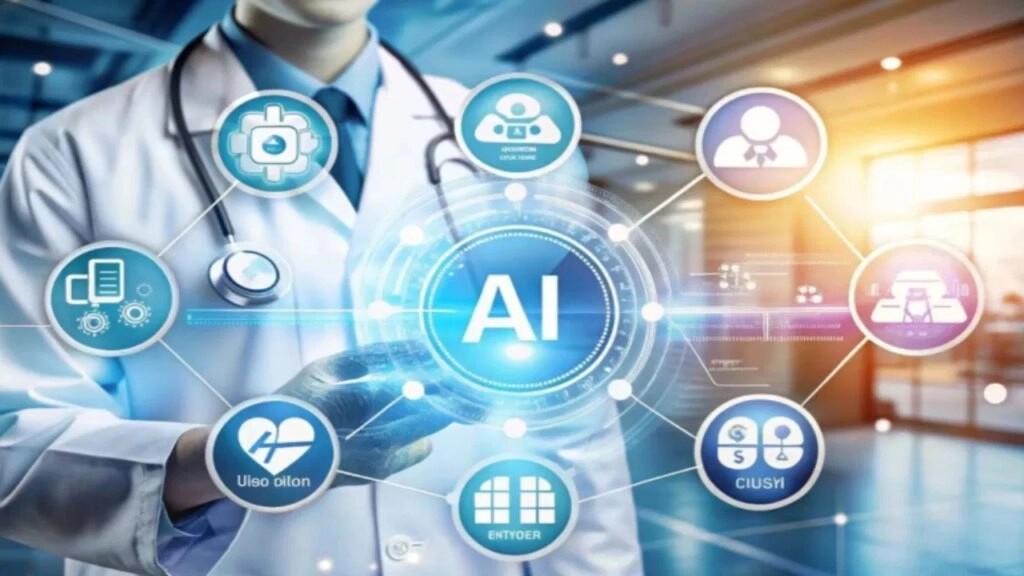
In Dehradun, a concerning trend has emerged in local hospitals as the use of artificial intelligence (AI) in prescribing medications has led to an increase in adverse drug reactions. Reports indicate that healthcare professionals are now encountering an average of 15 cases daily related to negative responses from patients to AI-generated prescriptions. This situation has raised alarms among medical practitioners, who are beginning to question the reliability of AI in the critical area of medication management.
The integration of AI technologies into healthcare has been lauded for its potential to enhance efficiency and improve patient outcomes. However, the incidents in Dehradun highlight the potential pitfalls of relying too heavily on automated systems without adequate oversight. Healthcare providers are tasked with ensuring that prescriptions are not only accurate but also suitable for individual patients, considering their unique medical histories and potential drug interactions. The rise in drug reaction cases suggests that AI may not yet fully account for these complexities, leading to unintended consequences.
As a result, medical professionals in Uttarakhand are calling for a reassessment of how AI is utilized in clinical settings. They emphasize the need for a balanced approach that combines the benefits of technology with traditional medical expertise. Training for healthcare providers on how to effectively interpret AI-generated recommendations, along with rigorous monitoring of patient responses, could help mitigate the risks associated with AI prescriptions. This situation serves as a critical reminder of the importance of human oversight in healthcare, particularly as technology continues to evolve and integrate into everyday medical practices.
In response to these challenges, hospitals are exploring ways to enhance their protocols and safeguard patient health. This could involve implementing more stringent review processes for AI-generated prescriptions and fostering better communication between AI systems and healthcare professionals. The ultimate goal is to ensure that while technology can assist in providing timely and efficient care, it does not compromise patient safety or the quality of healthcare services. As the medical field navigates the complexities of AI integration, the lessons learned from the Dehradun experience could inform future practices and policies within the healthcare system.